Feel the wind in your face, the deck beneath your feet and the salt on your lips.
Seafarer: The Ship Sim is in Early Access. We’d love for you to come aboard and launch your maritime career with us. The world, the ships, and the systems will grow update by update, and you’re invited to watch and shape that journey as it happens.
We want you to enjoy life at sea. This isn't a high-realism work training simulator in which you have to memorise every bolt or tick off endless checklists before you even start the engine. Our goal is simple: Take things at your own pace on a huge open map. Follow a career path or jump straight into the action in quick play. It’s your call.
No two days on the water are the same. Calm sunrises over quiet seas can turn into rough storms without warning. Dynamic waves, changing weather, and unexpected encounters make every voyage feel a little different and, hopefully, memorable.
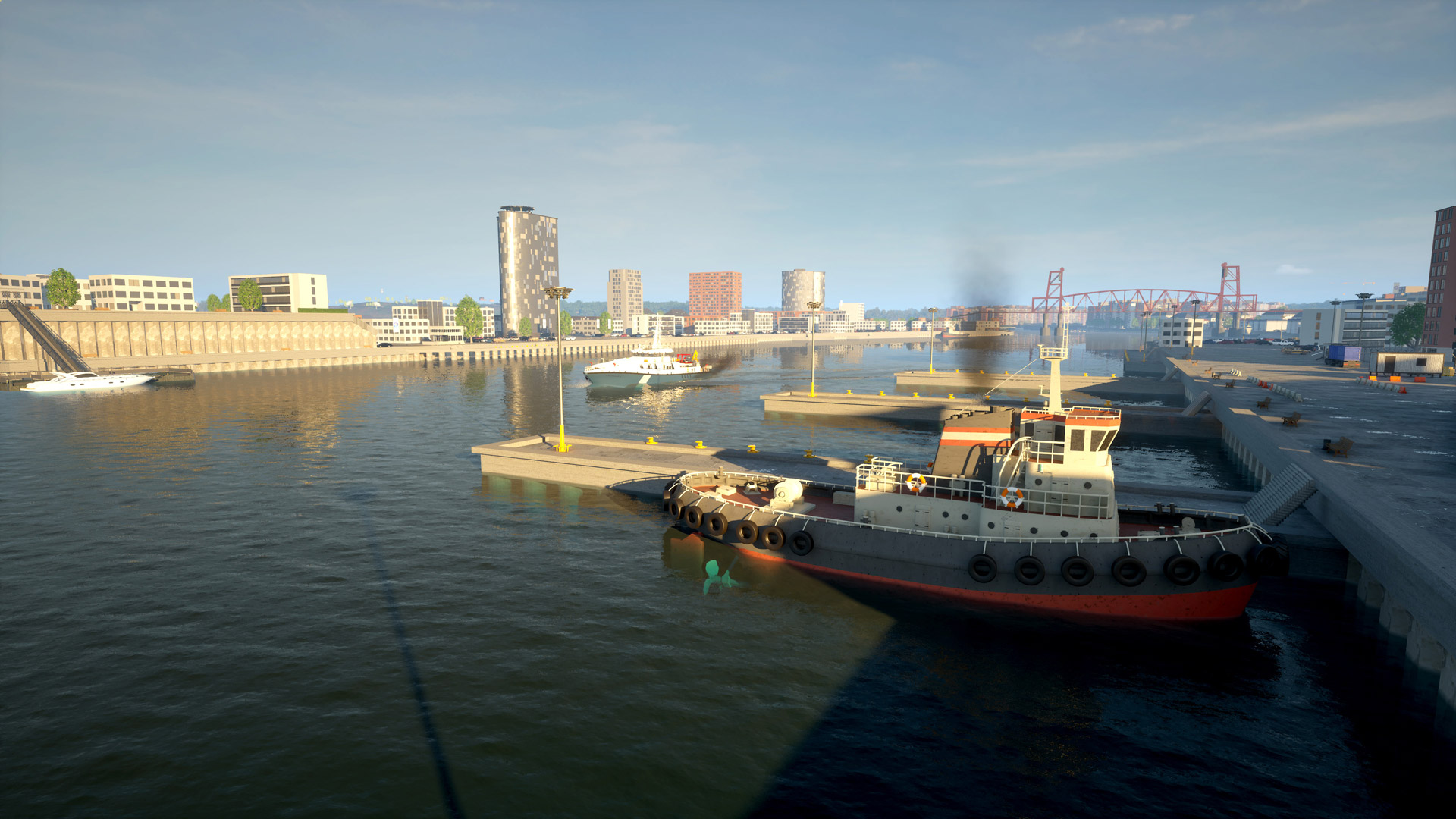
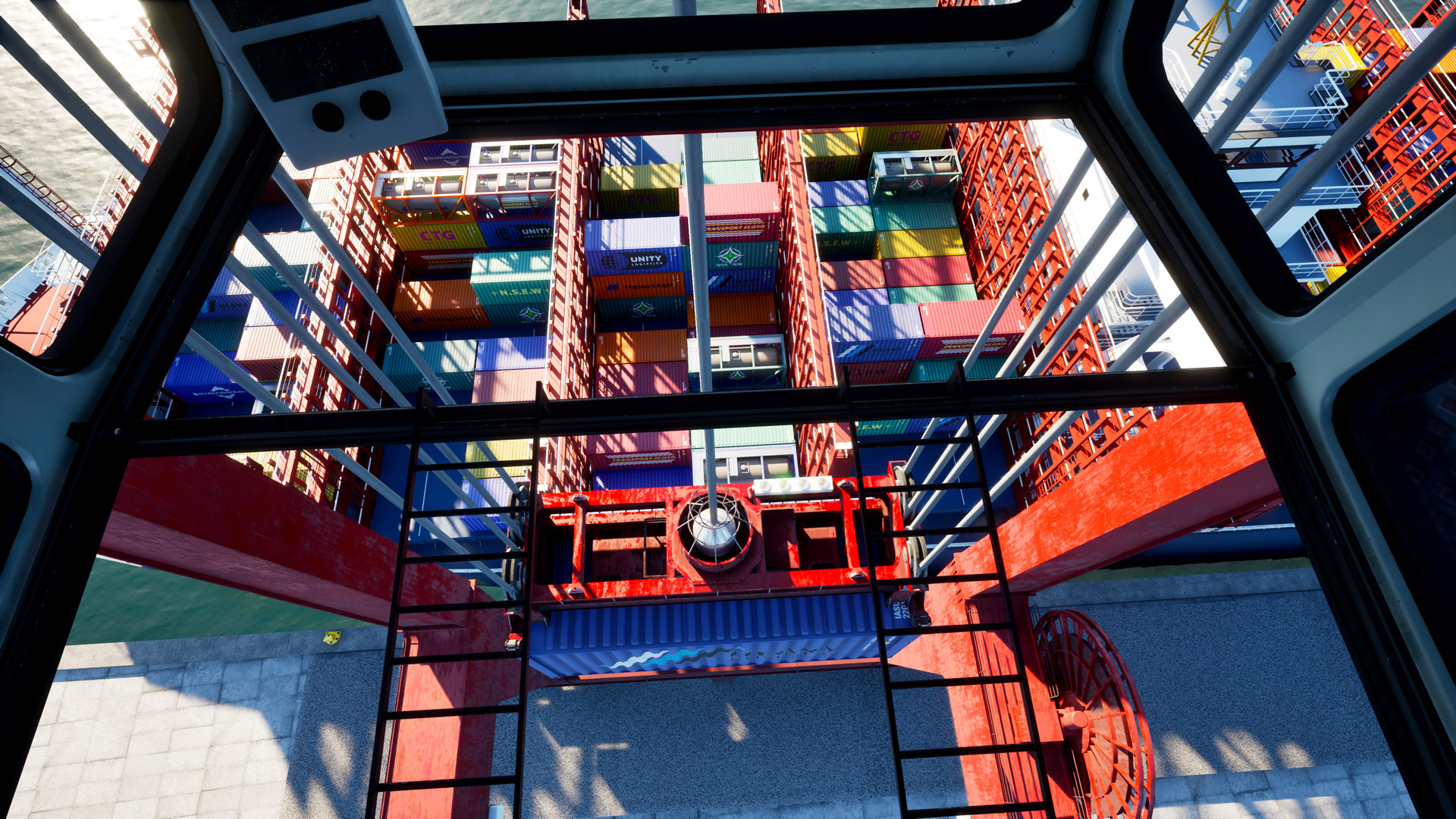
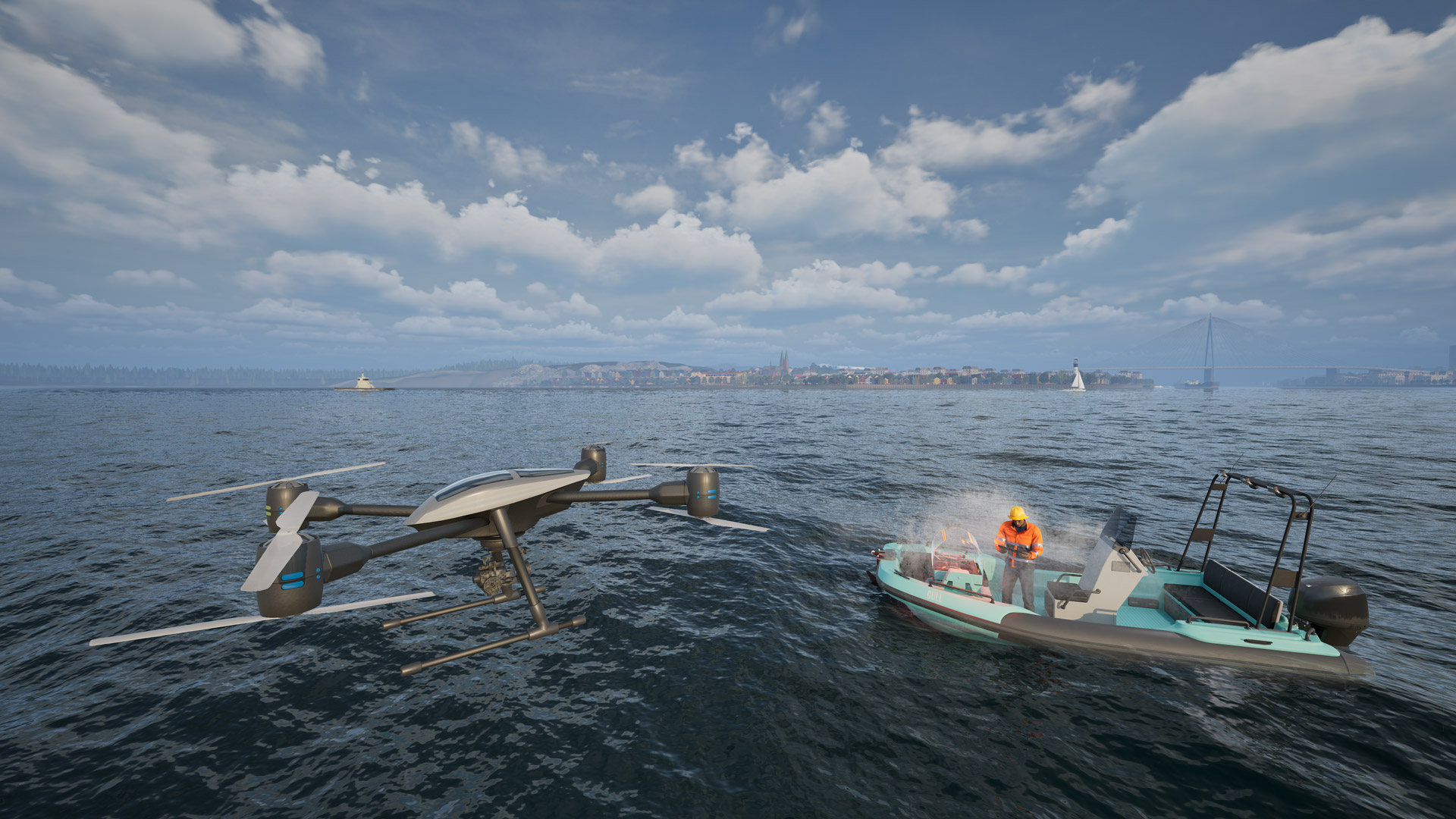
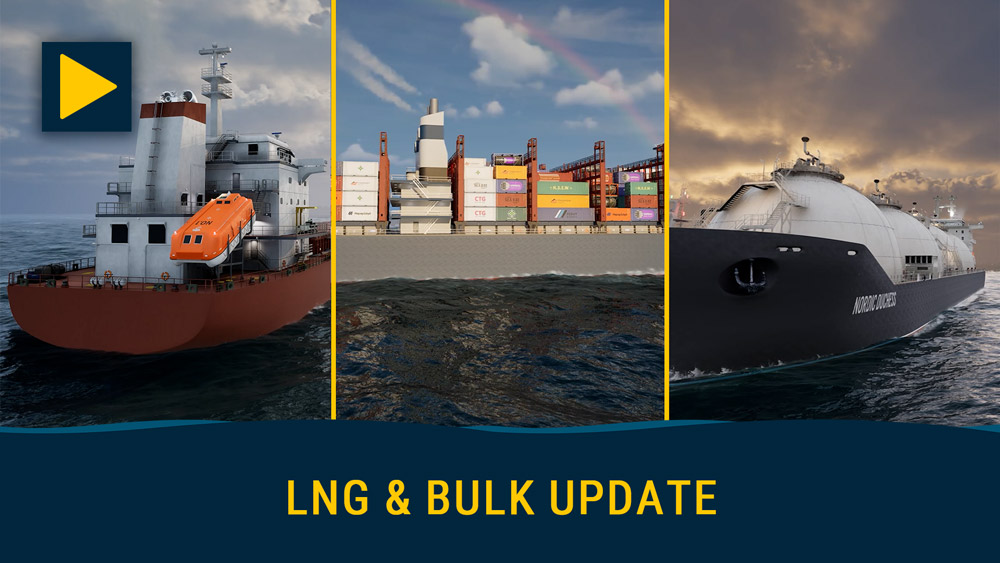
Choose from a growing fleet of vessels that range from small work boats to true giants of the sea. Patrol harbours and coastlines, load containers and bulk cargo with massive cranes, transport delicate LNG, answer distress calls, rescue stranded crews, fight fires, salvage lost freight, or guide huge ships safely into dock.
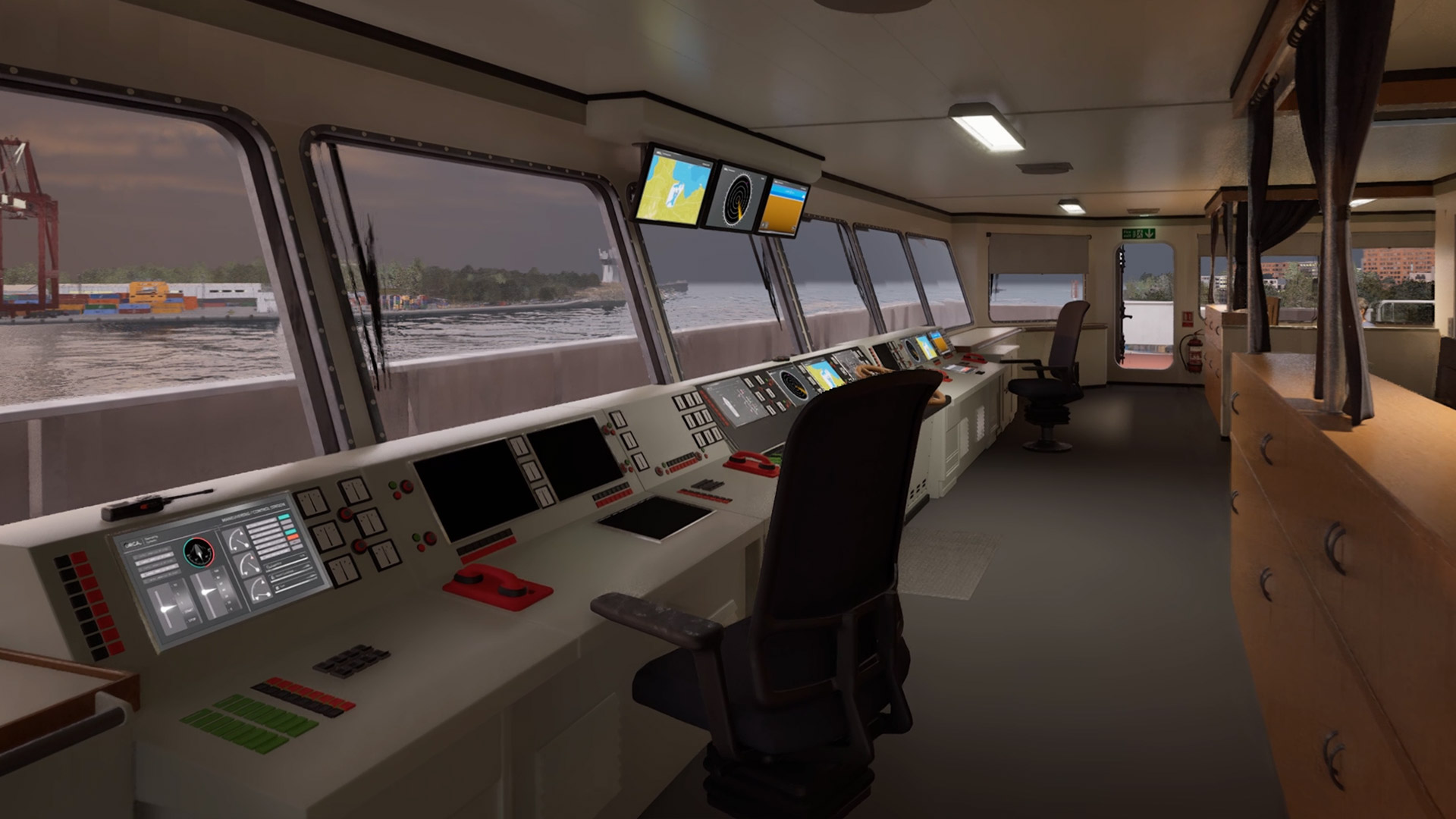
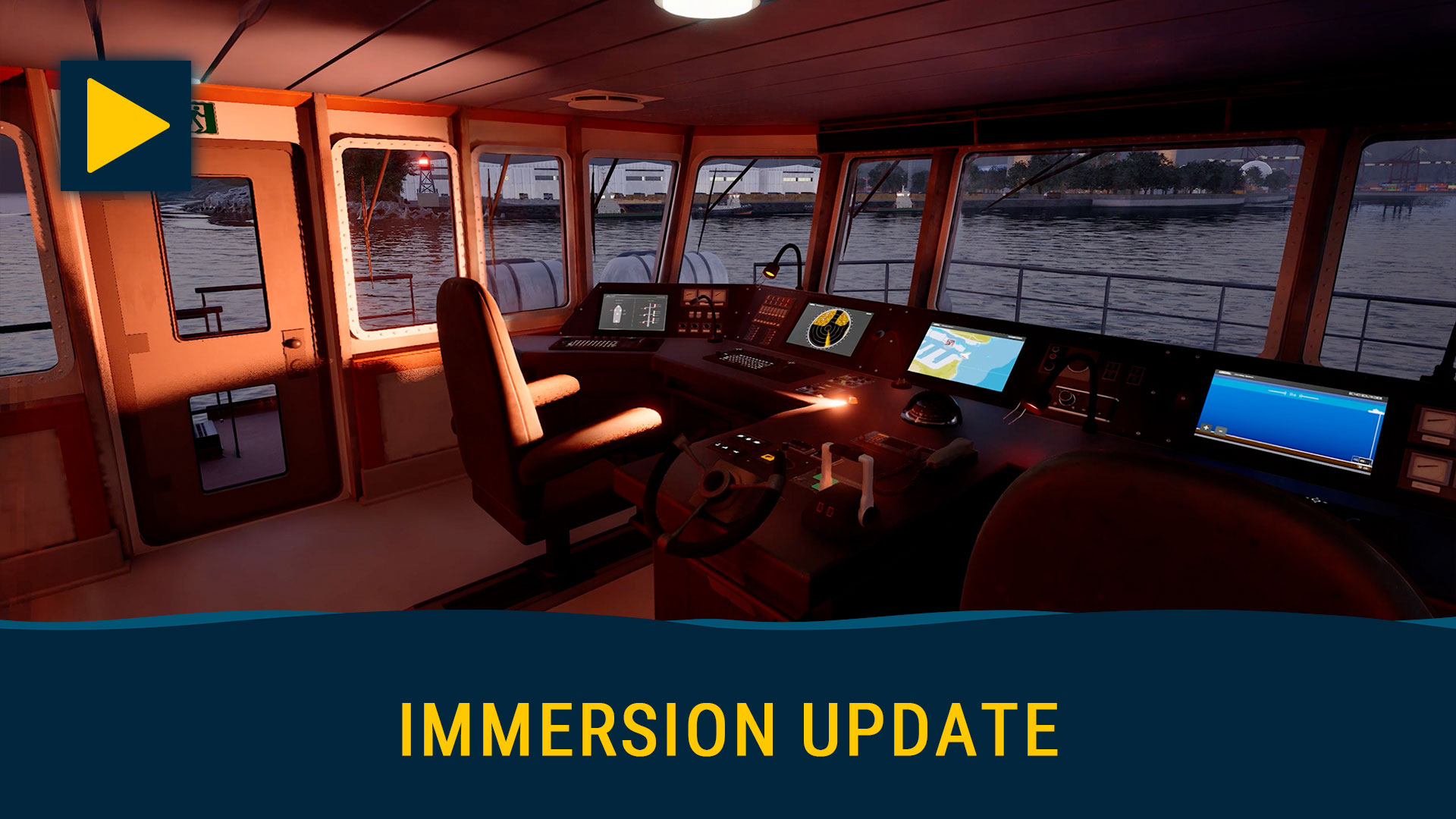
Or simply just enjoy the view from the bridge and snap a few pics.
Check out the roadmap to see what’s coming next. New vessels and features are on the way, while existing systems continue to be refined and polished. Multiplayer and ship customisation are also on the horizon.
Early Access means we’re building this together. Your feedback, ideas, and reports genuinely help plot the course ahead. Join us on this voyage through the sometimes stormy seas of development and let’s aim for smooth sailing toward full release.

The glass sky scan may remain a speculative concept, but it serves as a reminder of the boundless human imagination and our enduring quest for knowledge and understanding.
If you are looking for details on the "Glass" part of the hardware itself, here are the key specifications for the Sky Glass Gen 2 :
Performance
We are currently entering the third generation of the glass sky scan. The first generation was reactive (analyzing a building after it melted something). The second was predictive (designing buildings to avoid death rays). The third is .
, which uses lasers to write data into glass plates that are then read by a high-speed scanner Science News Explores : A single palm-sized piece of glass can store up to 7 terabytes of data (about 2 million books) ScienceAlert Durability glass sky scan
As the user moves the phone, the perspective of the generated background shifts proportionally, mimicking expensive LED soundstages used in big-budget films.
In the glittering canyons of modern metropolises, glass is king. From the Shard in London to the Burj Khalifa in Dubai, architectural trends over the last four decades have favored transparency, natural light, and sleek, reflective surfaces. But this beauty comes with a hidden risk: spontaneous glass breakage, loose façade panels, and the terrifying possibility of "falling glass" onto crowded city streets below. The glass sky scan may remain a speculative
We are already seeing the emergence of cleaning drones that use pressurized water and specialized squeegees to wash high-rise glass autonomously. In the near future, sky scanning drones will likely be paired with maintenance drones capable of applying minor sealants or protective coatings on the fly. Furthermore, as Smart Cities develop, permanent rooftop drone docks could allow buildings to scan themselves autonomously every week, turning structural maintenance into a continuous, predictive process.
The concept of a "glass sky" has long fascinated humans, sparking the imagination of scientists, philosophers, and the general public alike. The idea of a transparent, glass-like layer enveloping our planet has been debated for centuries, with some considering it a theoretical possibility, while others dismiss it as a myth. Recently, the term "glass sky scan" has gained traction, referring to the hypothetical scanning or imaging of this supposed glass sky. In this article, we'll delve into the mysteries of the glass sky, explore the notion of a glass sky scan, and examine the scientific and speculative aspects surrounding this intriguing topic. The second was predictive (designing buildings to avoid
A achieves a resolution of 0.1mm per pixel across a 300-meter tower. Sophisticated AI algorithms trained on thousands of failure patterns can predict a blowout six months before it happens. One facility manager in Singapore reported that after implementing quarterly glass sky scans, their unscheduled façade repairs dropped by 78%.
While the technology behind glass sky scanning is advanced, the industry faces ongoing challenges. High winds and unpredictable weather can restrict drone flights in dense urban canyons. Additionally, reflections from sunlight can occasionally interfere with optical scanners, requiring operations to take place during specific "golden hours" of daylight or overnight.
Subscribe to our newsletter to get the latest news of Seafarer: The Ship Sim right in your inbox. Please note that you have to confirm your subscription before receiving our newsletter.
The glass sky scan may remain a speculative concept, but it serves as a reminder of the boundless human imagination and our enduring quest for knowledge and understanding.
If you are looking for details on the "Glass" part of the hardware itself, here are the key specifications for the Sky Glass Gen 2 :
Performance
We are currently entering the third generation of the glass sky scan. The first generation was reactive (analyzing a building after it melted something). The second was predictive (designing buildings to avoid death rays). The third is .
, which uses lasers to write data into glass plates that are then read by a high-speed scanner Science News Explores : A single palm-sized piece of glass can store up to 7 terabytes of data (about 2 million books) ScienceAlert Durability
As the user moves the phone, the perspective of the generated background shifts proportionally, mimicking expensive LED soundstages used in big-budget films.
In the glittering canyons of modern metropolises, glass is king. From the Shard in London to the Burj Khalifa in Dubai, architectural trends over the last four decades have favored transparency, natural light, and sleek, reflective surfaces. But this beauty comes with a hidden risk: spontaneous glass breakage, loose façade panels, and the terrifying possibility of "falling glass" onto crowded city streets below.
We are already seeing the emergence of cleaning drones that use pressurized water and specialized squeegees to wash high-rise glass autonomously. In the near future, sky scanning drones will likely be paired with maintenance drones capable of applying minor sealants or protective coatings on the fly. Furthermore, as Smart Cities develop, permanent rooftop drone docks could allow buildings to scan themselves autonomously every week, turning structural maintenance into a continuous, predictive process.
The concept of a "glass sky" has long fascinated humans, sparking the imagination of scientists, philosophers, and the general public alike. The idea of a transparent, glass-like layer enveloping our planet has been debated for centuries, with some considering it a theoretical possibility, while others dismiss it as a myth. Recently, the term "glass sky scan" has gained traction, referring to the hypothetical scanning or imaging of this supposed glass sky. In this article, we'll delve into the mysteries of the glass sky, explore the notion of a glass sky scan, and examine the scientific and speculative aspects surrounding this intriguing topic.
A achieves a resolution of 0.1mm per pixel across a 300-meter tower. Sophisticated AI algorithms trained on thousands of failure patterns can predict a blowout six months before it happens. One facility manager in Singapore reported that after implementing quarterly glass sky scans, their unscheduled façade repairs dropped by 78%.
While the technology behind glass sky scanning is advanced, the industry faces ongoing challenges. High winds and unpredictable weather can restrict drone flights in dense urban canyons. Additionally, reflections from sunlight can occasionally interfere with optical scanners, requiring operations to take place during specific "golden hours" of daylight or overnight.