




This website uses cookies to improve user experience. Privacy Policy

Boobs Images New [updated]: Mallu Aunties
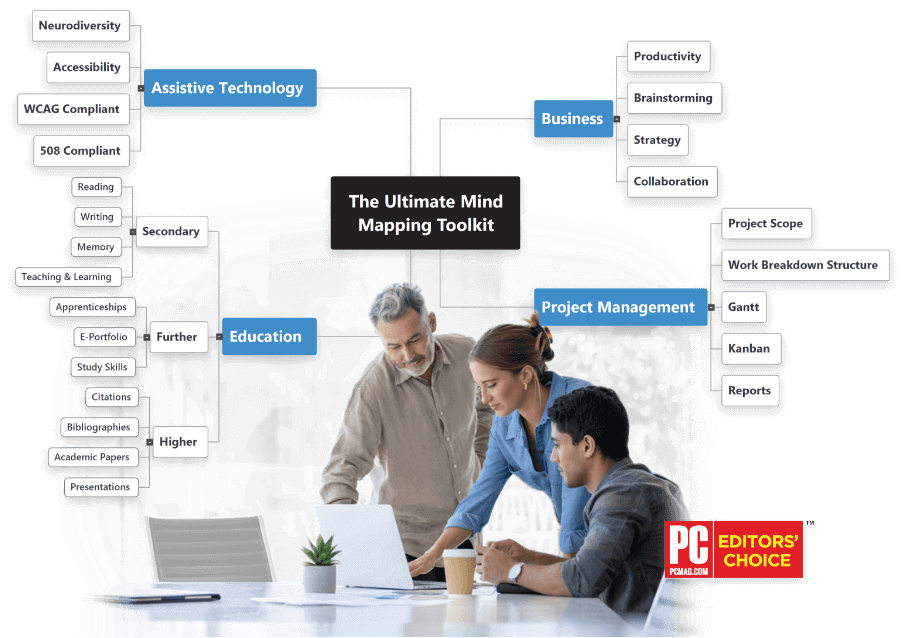
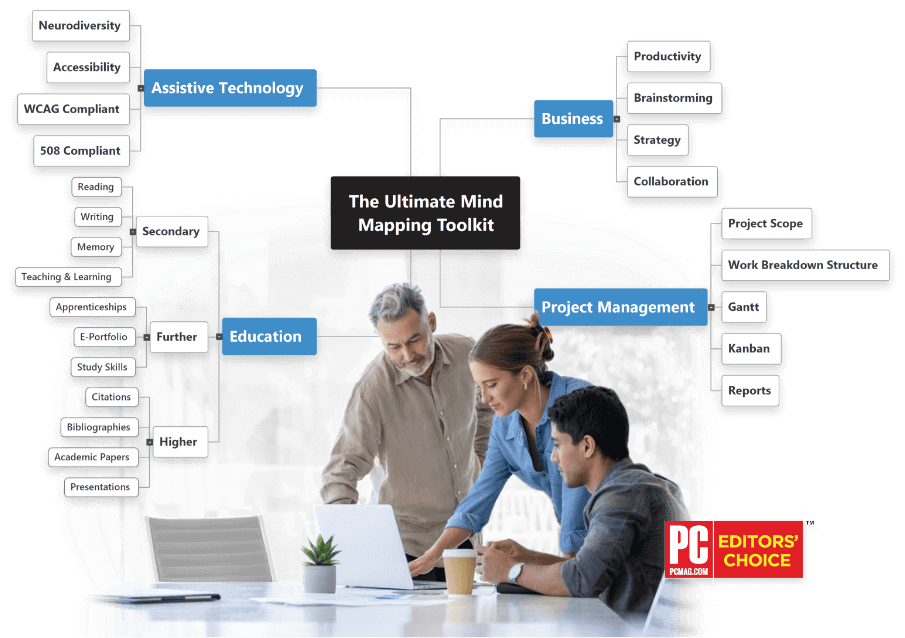
Fall in love with work again. Be more productive and unleash your creativity. Let’s get things done!
Fall in love with work again. Be more productive and unleash your creativity. Let’s get things done!





















Simply export your mind map with a mouse click. No need to re-create data!
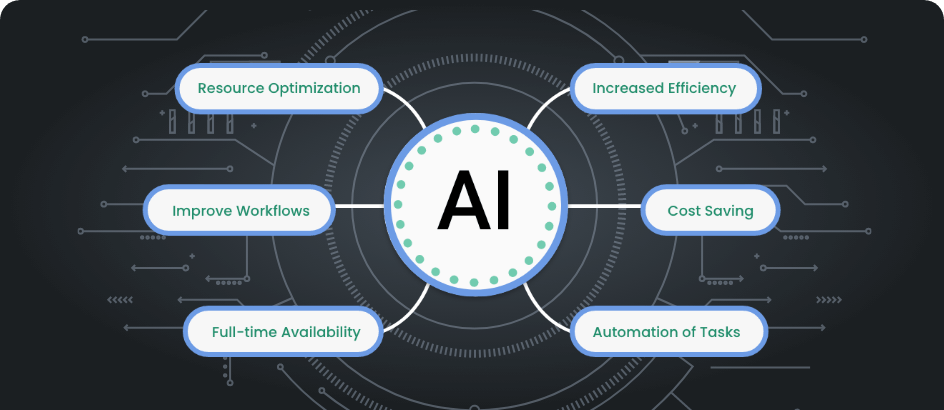
AI Assistance unlocks the future of mind mapping with unparalleled possibilities.
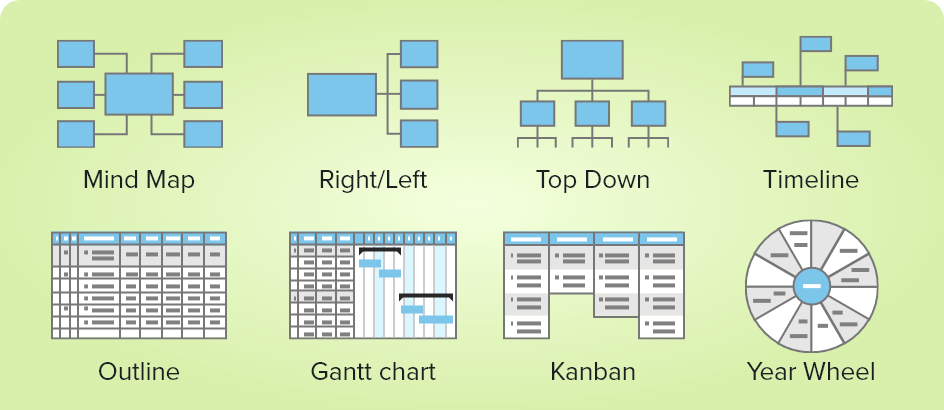
The brand-new Kanban and Year Wheel charts takes visualizing projects to another level!
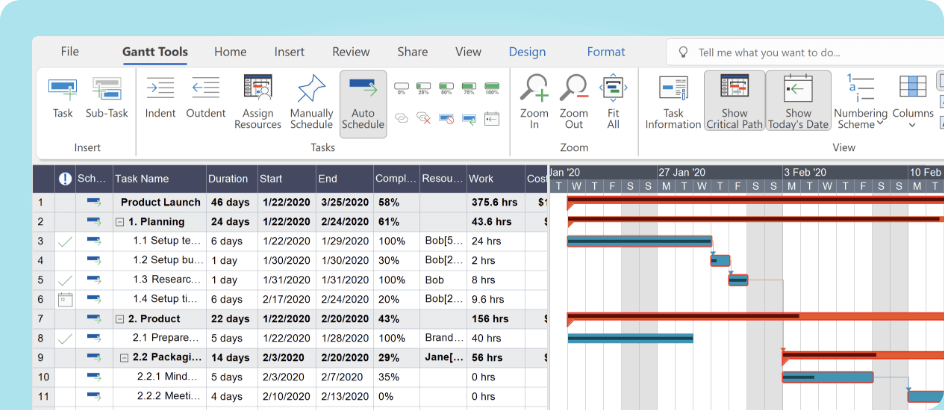
Visualize your Work Breakdown Structures and instantly convert to a Gantt Chart or action plans.
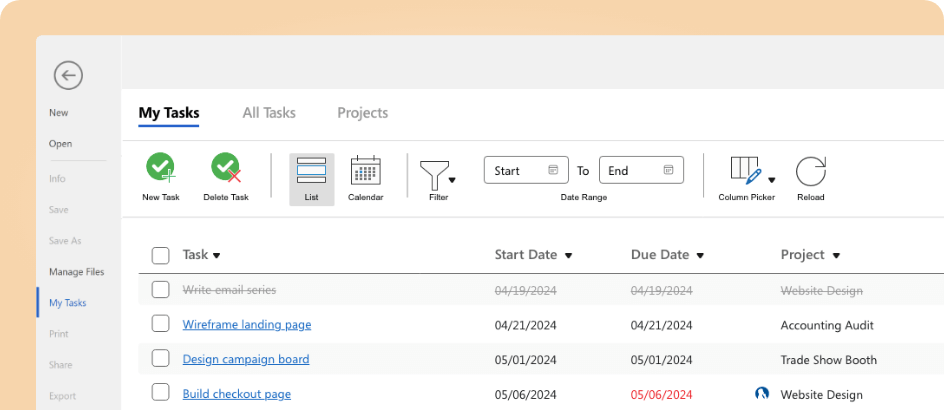
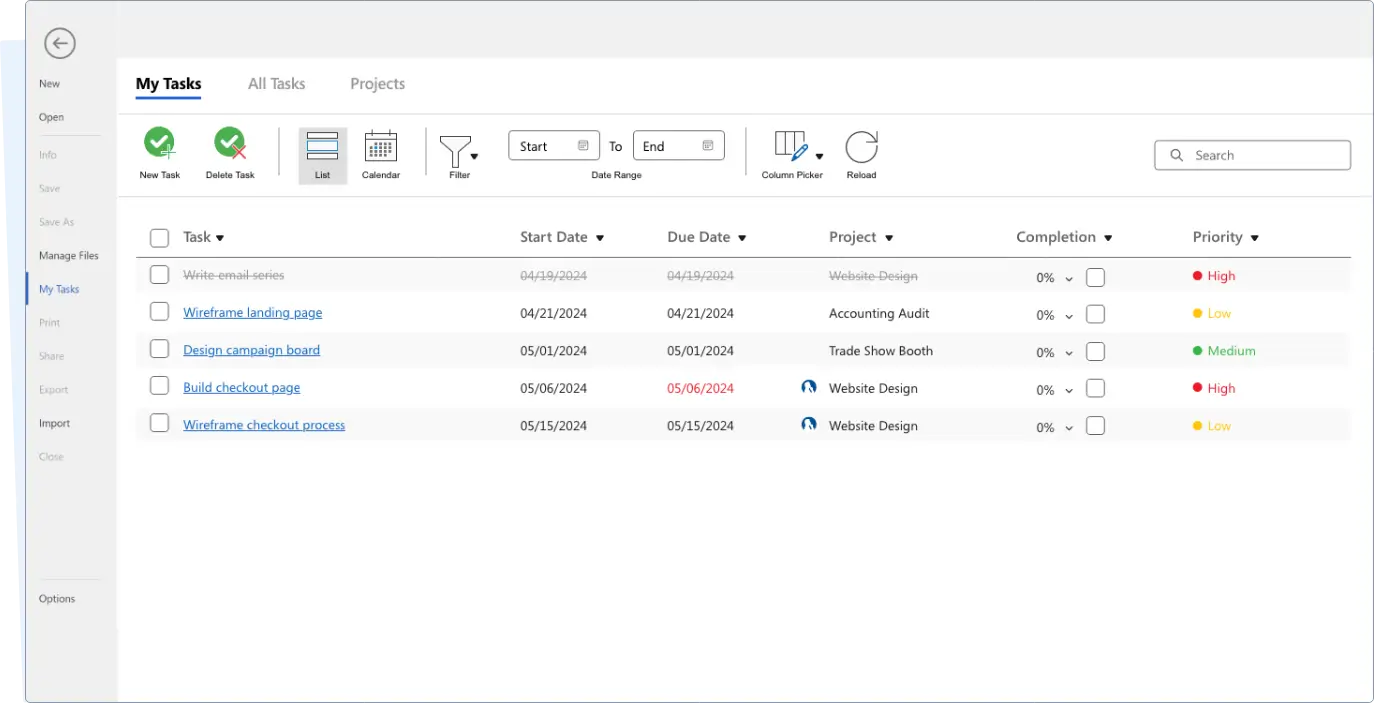
Synchronize your project planning with the brand-new built-in task management system.
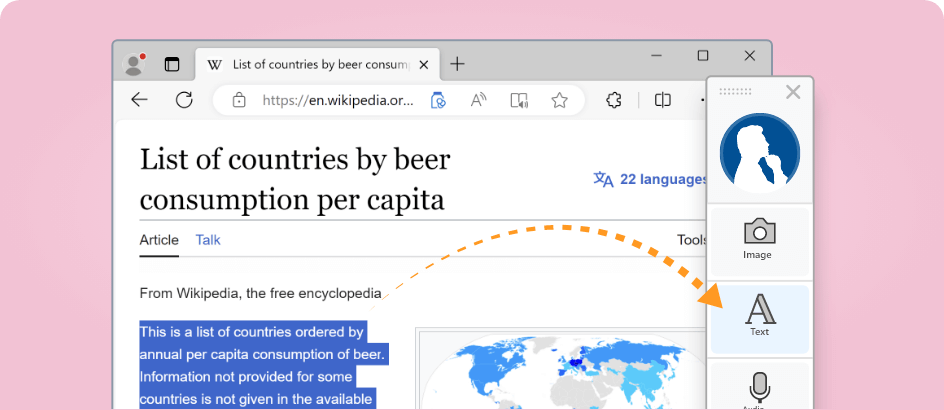
The Research Capture Toolbar lets you snip images, copy text, take video and audio recordings.
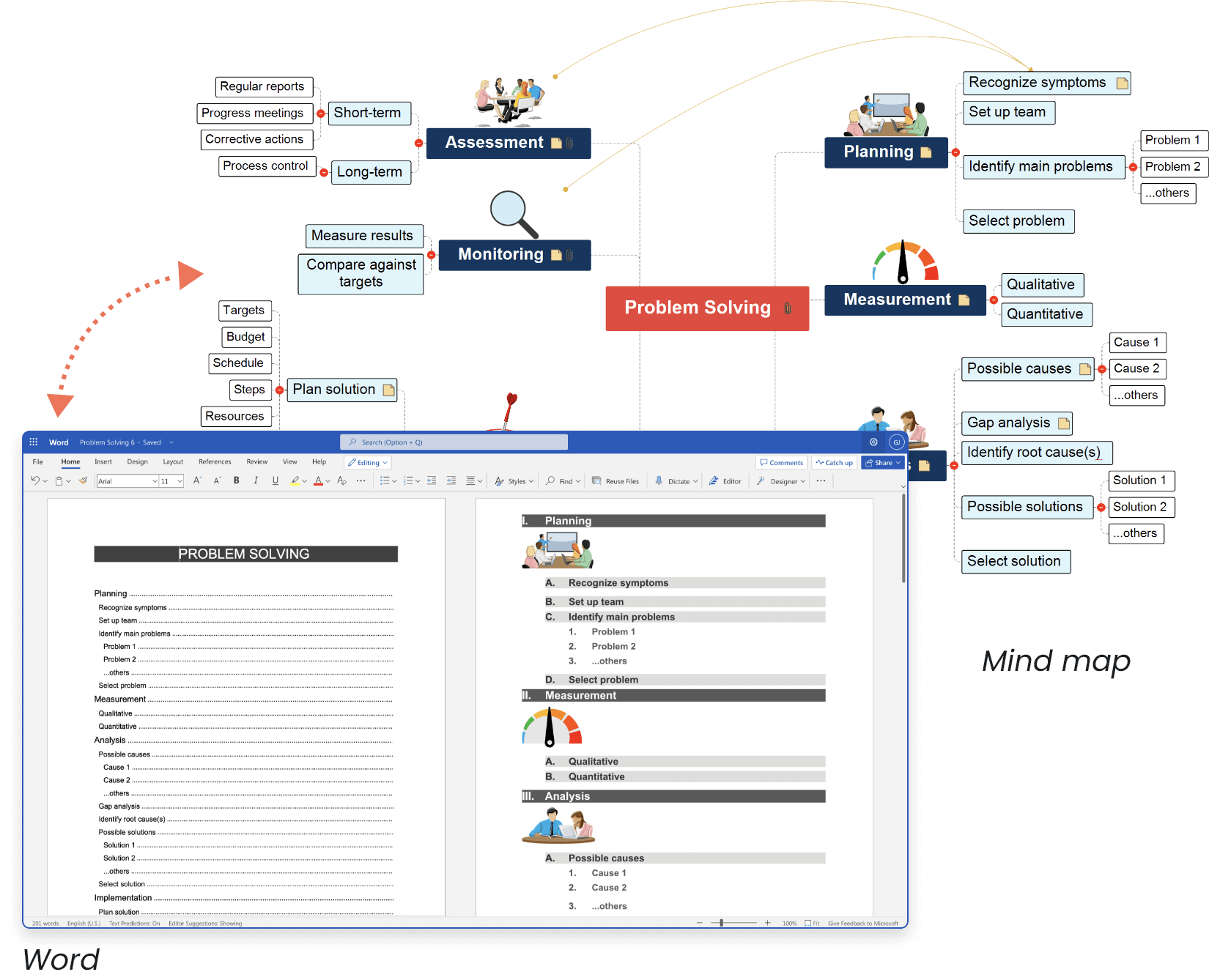
Need to make an awesome presentation or a professional report? Turn your mind map into any document with a simple mouse click. Why start from scratch every time? Be productive!
…don’t start from a blank page ever again
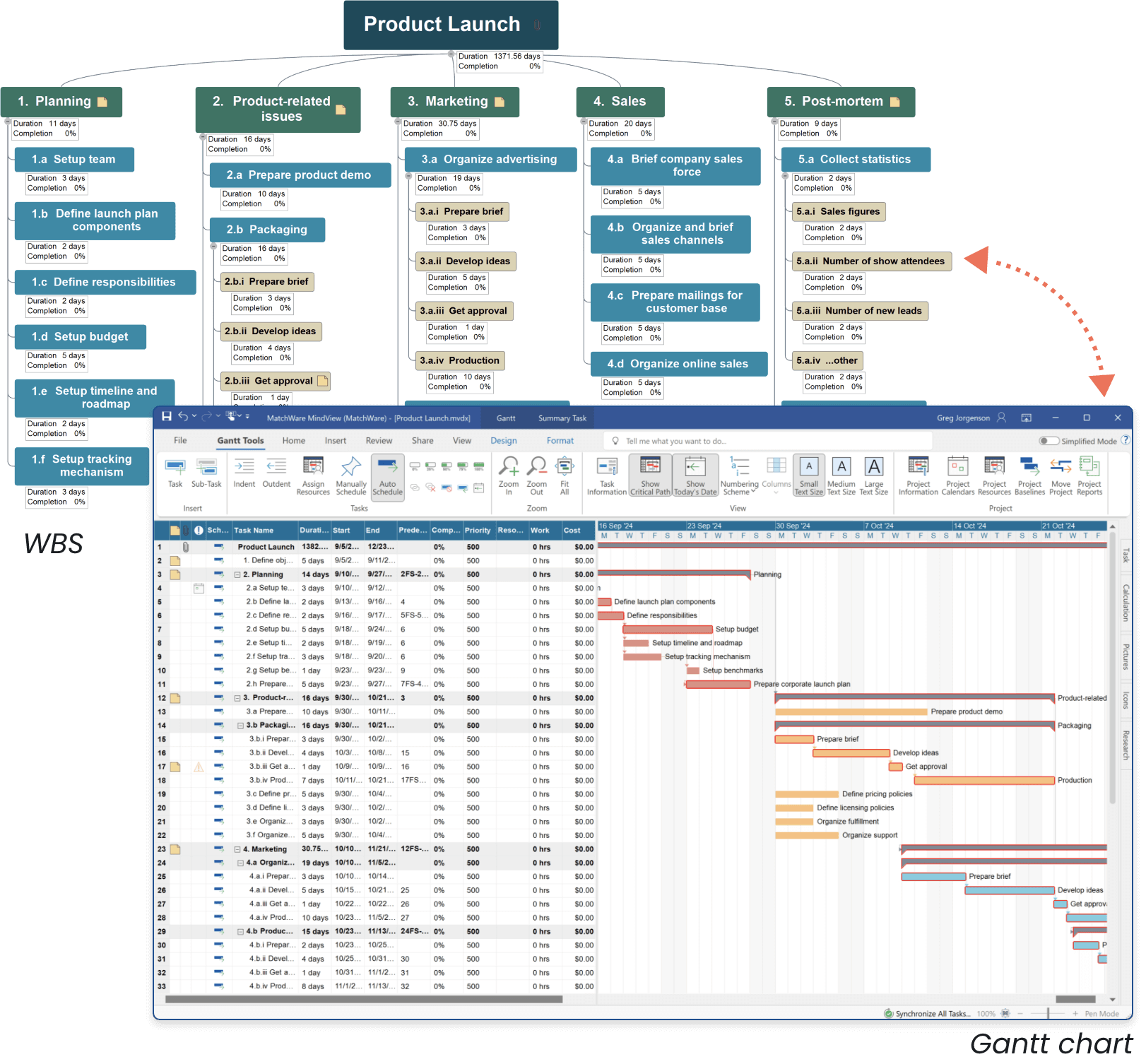
No more daunting project plans. Get your team organized instantly. From simple “to dos”, timelines, Gantt charts or reporting, we have your back.
…Teams are more successful with MindView.
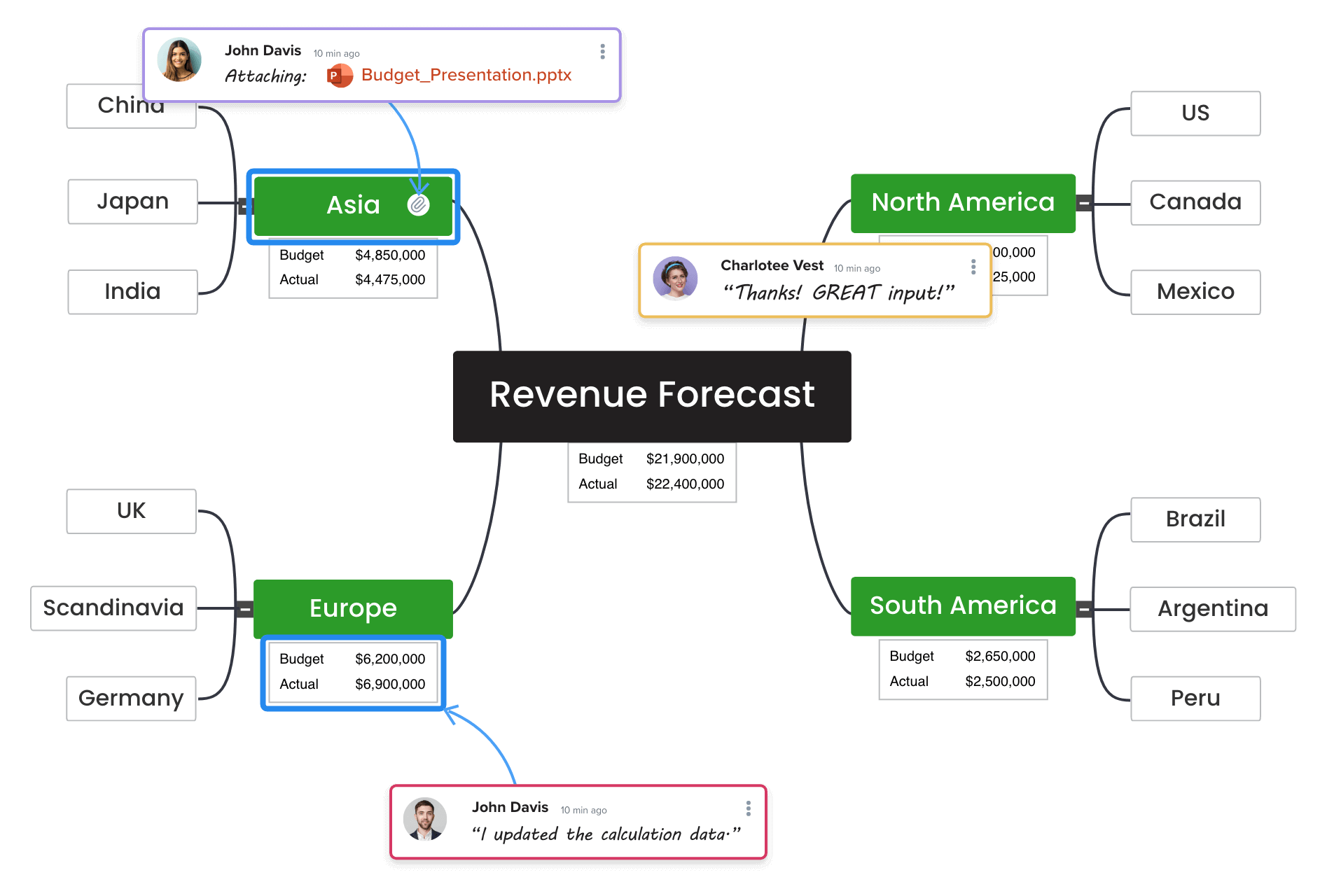
Whether you are working from the moon, a beach, or an office, collaborate with your team in real time. Save your mind map in MindView Drive, share it and start multiuser edting.
…Teamwork makes the dream work
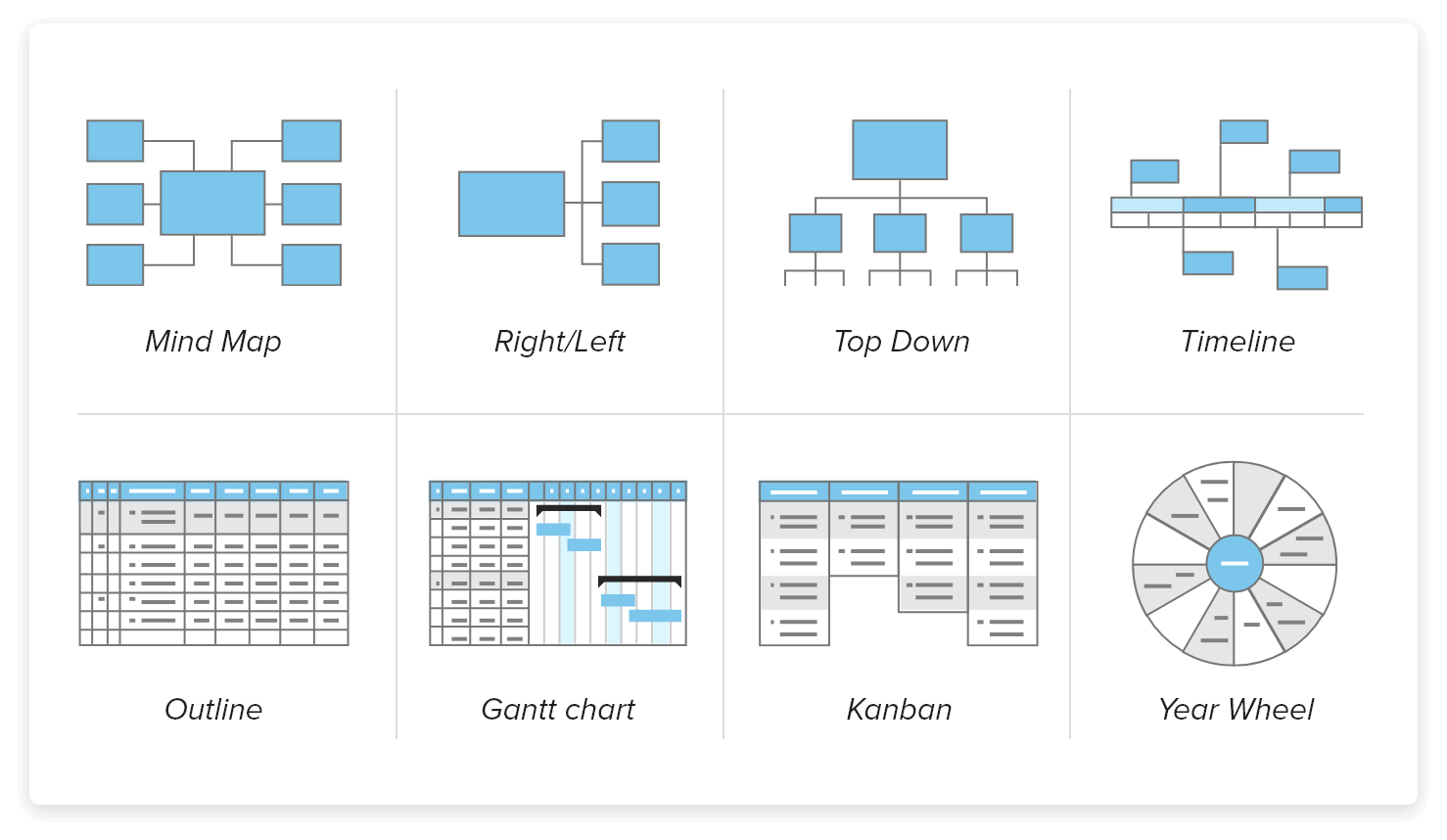
What’s unique to MindView are the interchangeable layouts (views). Swap from a mind map to a Gantt chart to a timeline and back again. You can add, edit, and remove data in any view, all data remains intact. No one else does this!
…Present your ideas in the most effective way
From the poetic naturalism of M. T. Vasudevan Nair (who wrote Nirmalyam , 1973) to the sharp, colloquial wit of Sreenivasan ( Sandesham , 1991), the dialogue in Malayalam films is a direct extract of Keralite life. The humor, often dry and self-deprecating, reflects the famous "Kerala sarcasm." A character’s socioeconomic class can be identified not by costume, but by the specific dialect of Malayalam they speak—the Nasrani slang of the central Travancore region, the Muslim Malabari dialect, or the pure, nasal accent of the north.
By the 1950s, cinema had planted its feet in "the social soil of Kerala". A landmark film in this tradition was , which boldly addressed caste discrimination. This set the stage for Ramu Kariat's Chemmeen (1965) , a film that acted as a cinematic milestone. Based on Thakazhi Sivasankara Pillai's novel, it became the first Malayalam film to gain national acclaim and placed the forbidden love of a coastal Dalit woman and the rigid mythic moralism of her community at the forefront of its narrative.
Traditional art forms like Kathakali, Theyyam, and Kalaripayattu are frequently woven into cinematic plots. Festivals like Onam and Vishu serve as narrative devices to explore themes of family reunions, nostalgia, and the pain of displacement. mallu aunties boobs images new
This period was marked by films that addressed societal anxieties, feudal breakdowns, and the "masculine-dominant discourses" of the time. The Modern "New Wave" and Global Identity
Malayalam cinema is a vibrant reflection of Kerala culture, showcasing the state's stunning landscapes, traditions, and values. With a rich history spanning over nine decades, the industry continues to evolve, exploring new themes and motifs. As a testament to its growing influence, Malayalam cinema has gained international recognition, with films like (2018) and The Great Indian Kitchen (2020) being showcased at prominent film festivals worldwide. From the poetic naturalism of M
The 1980s and 1990s are often referred to as the Golden Age of Malayalam cinema. This period saw the emergence of talented filmmakers like Adoor Gopalakrishnan, A. K. Gopan, and K. S. Sethumadhavan, who created films that garnered national and international recognition. Movies like (1972), Nokketha Doorathu Kannum Nattu (1984), and Gantham (1993) showcased the complexities of human relationships, social issues, and the beauty of Kerala's landscapes.
Focus on specific (like Aravindan or Adoor Gopalakrishnan) The humor, often dry and self-deprecating, reflects the
It films the rain as it really falls. It captures the argument at the tea shop, the political debate on the bus, the quiet sorrow of a widow during a temple festival, and the chaotic love of a family eating kappa (tapioca) and meen (fish).
MindView AT has been designed to support individuals with neurodiversity’s such as dyslexia, autism and ADHD. Mind mapping helps to overcome barriers around reading and writing, executive function and processing skills.
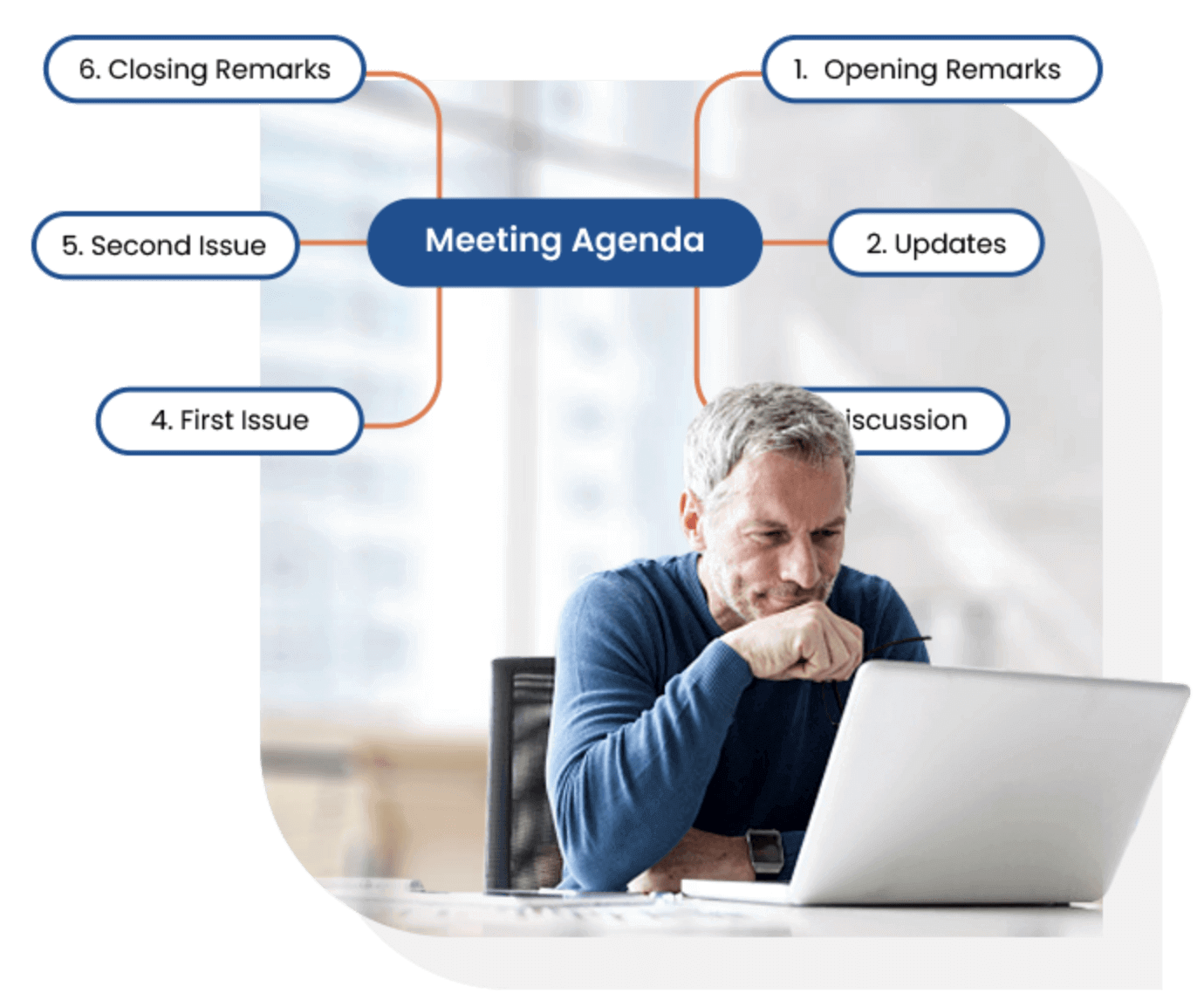
You might think all mind mapping software are the same. But with MindView, you can do so much more.
You get what you pay for, and your time is valuable.
MindView’s familiar interface will get you up and running instantly. Whether you are a beginner or an advanced user, we have you covered with all the features you will need.
Here is how it works:
But wait, that’s not all…
From the poetic naturalism of M. T. Vasudevan Nair (who wrote Nirmalyam , 1973) to the sharp, colloquial wit of Sreenivasan ( Sandesham , 1991), the dialogue in Malayalam films is a direct extract of Keralite life. The humor, often dry and self-deprecating, reflects the famous "Kerala sarcasm." A character’s socioeconomic class can be identified not by costume, but by the specific dialect of Malayalam they speak—the Nasrani slang of the central Travancore region, the Muslim Malabari dialect, or the pure, nasal accent of the north.
By the 1950s, cinema had planted its feet in "the social soil of Kerala". A landmark film in this tradition was , which boldly addressed caste discrimination. This set the stage for Ramu Kariat's Chemmeen (1965) , a film that acted as a cinematic milestone. Based on Thakazhi Sivasankara Pillai's novel, it became the first Malayalam film to gain national acclaim and placed the forbidden love of a coastal Dalit woman and the rigid mythic moralism of her community at the forefront of its narrative.
Traditional art forms like Kathakali, Theyyam, and Kalaripayattu are frequently woven into cinematic plots. Festivals like Onam and Vishu serve as narrative devices to explore themes of family reunions, nostalgia, and the pain of displacement.
This period was marked by films that addressed societal anxieties, feudal breakdowns, and the "masculine-dominant discourses" of the time. The Modern "New Wave" and Global Identity
Malayalam cinema is a vibrant reflection of Kerala culture, showcasing the state's stunning landscapes, traditions, and values. With a rich history spanning over nine decades, the industry continues to evolve, exploring new themes and motifs. As a testament to its growing influence, Malayalam cinema has gained international recognition, with films like (2018) and The Great Indian Kitchen (2020) being showcased at prominent film festivals worldwide.
The 1980s and 1990s are often referred to as the Golden Age of Malayalam cinema. This period saw the emergence of talented filmmakers like Adoor Gopalakrishnan, A. K. Gopan, and K. S. Sethumadhavan, who created films that garnered national and international recognition. Movies like (1972), Nokketha Doorathu Kannum Nattu (1984), and Gantham (1993) showcased the complexities of human relationships, social issues, and the beauty of Kerala's landscapes.
Focus on specific (like Aravindan or Adoor Gopalakrishnan)
It films the rain as it really falls. It captures the argument at the tea shop, the political debate on the bus, the quiet sorrow of a widow during a temple festival, and the chaotic love of a family eating kappa (tapioca) and meen (fish).
But wait, that’s not all…

If you need to continue to work with your ideas in another document format, simply export your mind map with a mouse click. No need to re-create data!
To better understand how your mind map gets exported, you can easily apply a numbering scheme. Rearranging your branches will update that number scheme automatically.
Select between different style templates and formats when exporting. You can even control which content to include or exclude. When writing an essay, exporting to Word can even include citations, bibliographies and a chosen academic format (APA, MLA etc.).
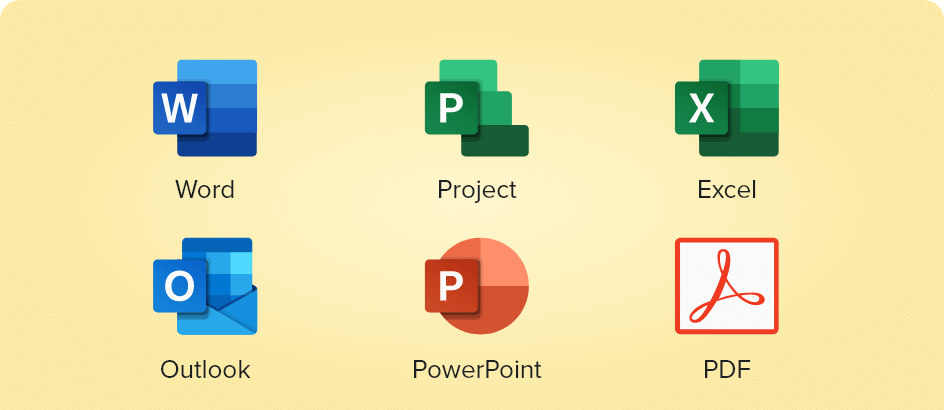
You can even import from documents such as Microsoft Word, PowerPoint, Project and Excel.
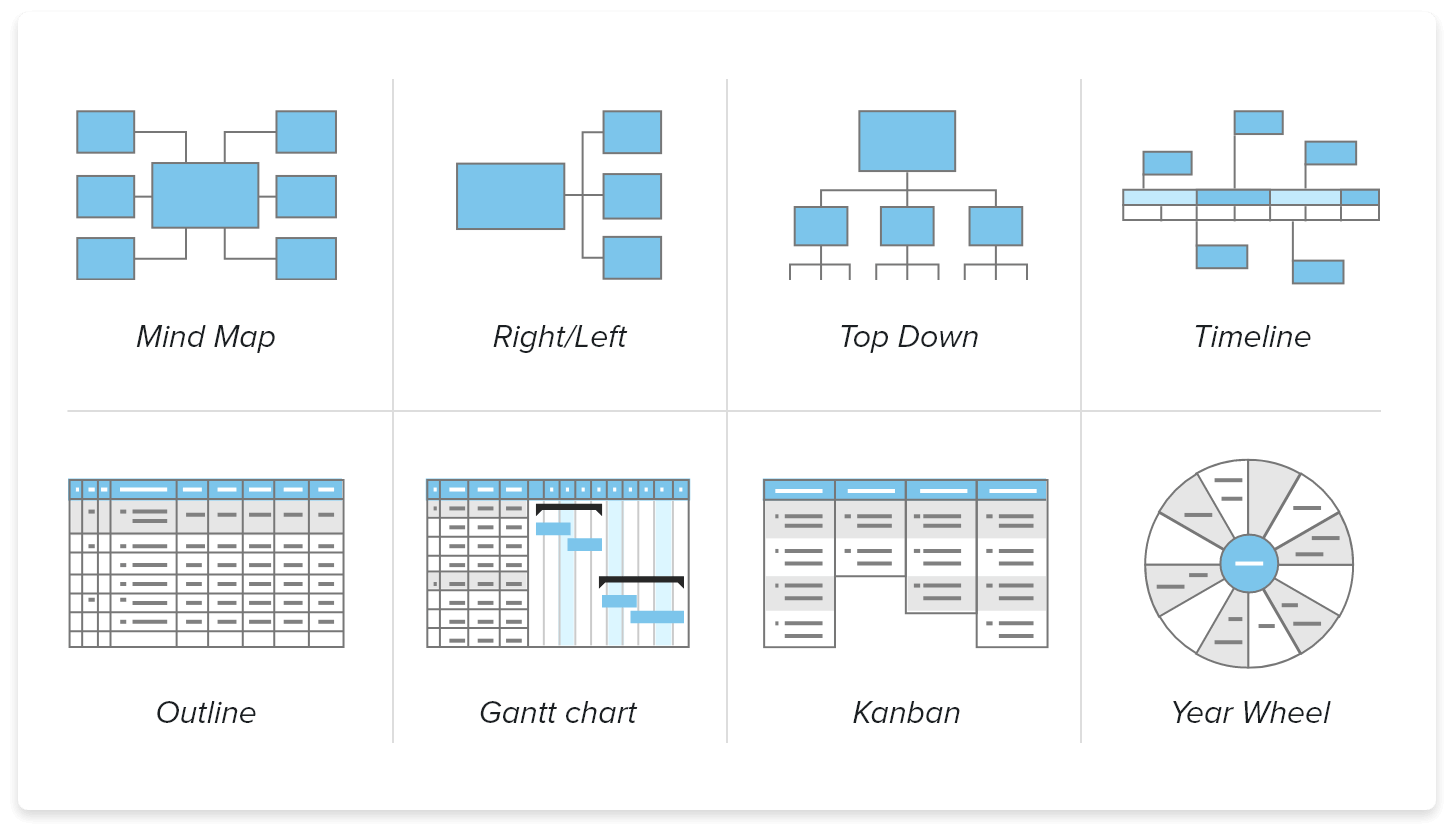

MindView allows you to swap your mind map to another view such as a timeline, Work Breakdown Structure or Gantt chart.
All of your data will be intact, and you can keep editing in any view.
This is very helpful when communicating or presenting to an audience that requires the ideas visualized or portrayed in a different layout.
From a project management perspective, you can start by creating a work breakdown structure in the mind map, then swap to the Gantt chart for scheduling. You can even present the Gantt chart as a timeline. Very flexible and time saving!