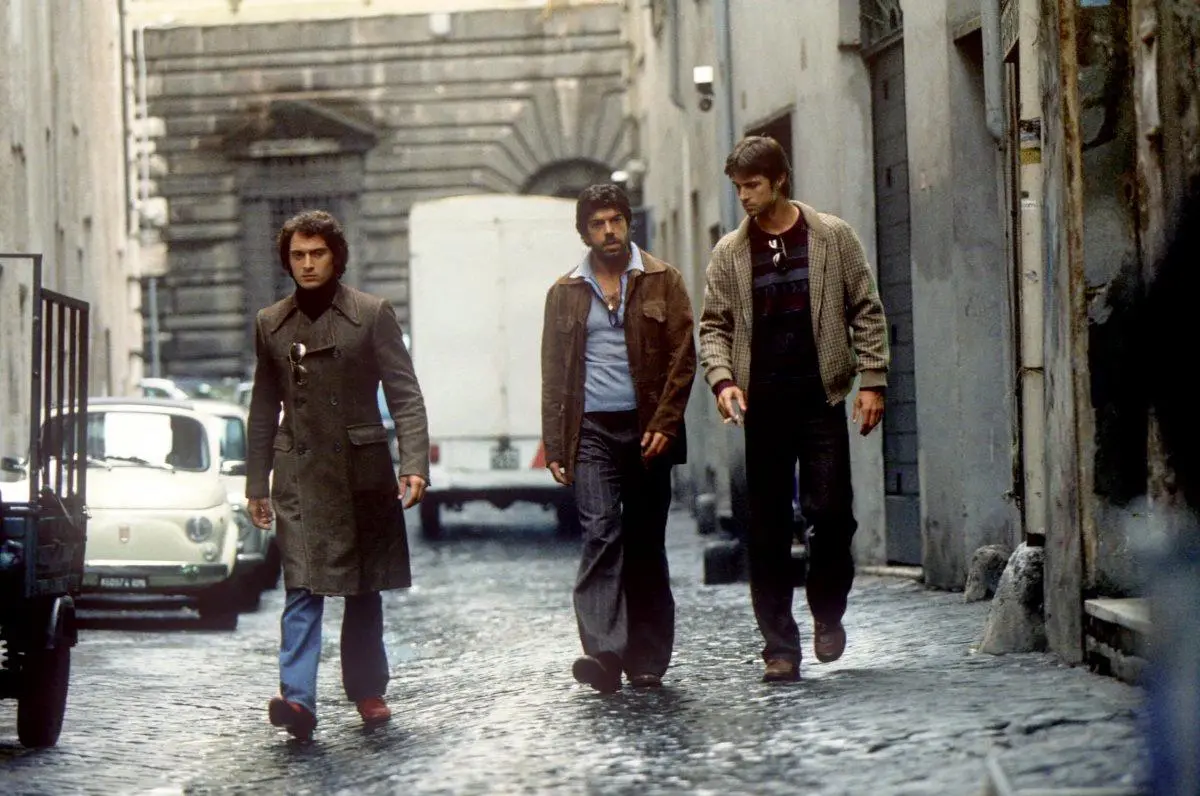
Four kids entertain themselves with daring adventures: during one of these, they steal a car, run over a policeman and escape to their hideout, a caravan on the dunes of Capocotta beach. Later in life, the four form a criminal gang with the aim of conquering Rome. Most of the film was shot in the neighbourhoods of Magliana, Garbatella, Trastevere and Monteverde.
The external façade of Patrizia’s brothel is villino Cirini, in via Ugo Bassi, Monteverde. Freddo’s brother and Roberta live in the same housing estate in Garbatella. The house of Terribile, which later becomes Lebanese’s, is Villa dell’Olgiata 2, in the area of Olgiata north of Rome, while Freddo lives in via Giuseppe Acerbi, in the Ostiense neighbourhood, not far from where Roberta’s car blows up in via del Commercio, in the shadow of the Gazometro.
Terribile is executed on the steps of Trinità dei Monti. Leaning on the rail overlooking the archaeologial ruins in largo Argentina, Lebanese and Carenza talk about the kidnap of Aldo Moro. The Church of Sant’Agostino where Roberta shows Freddo Caravaggio’s Madonna dei Pellegrini is the location for several key scenes in the film. Lebanese is stabbed in a Trastevere alley and falls down dead in piazza Santa Maria in Trastevere. The hunt for Gemito ends in a seafront villa in Marina di Ardea-Tor San Lorenzo, on the city’s southern shoreline, where he is murdered. Forced to hide, Freddo finds refuge in a farmhouse in Vicarello, hamlet of Bracciano. mi madrastra me espia en la ducha y yo lo se xxx upd
A scene which opens over the altare della Patria and the Fori Imperiali introduces the end of the investigation into Aldo Moro’s kidnap, followed by repertory images of the discovery of his body in via Caetani. The many real events included in the fictional tale include the bomb attack at the station of Bologna at 10:25 am, 2 August 1980: in the film, both Nero and Freddo are in Piazzale delle Medaglie d’Oro several seconds before the bomb explodes.
Commissioner Scaloja, who is investigating the gang, takes a fancy to Patrizia: they stroll near the Odescalchi Castle in Ladispoli. He finds out if his feelings are reciprocated when, several scenes later, he finds her in a state of confusion near Castel Sant’Angelo. On platforms like TikTok, Instagram Reels, and YouTube
Four kids entertain themselves with daring adventures: during one of these, they steal a car, run over a policeman and escape to their hideout, a caravan on the dunes of Capocotta beach. Later in life, the four form a criminal gang with the aim of conquering Rome. Most of the film was shot in the neighbourhoods of Magliana, Garbatella, Trastevere and Monteverde.
The external façade of Patrizia’s brothel is villino Cirini, in via Ugo Bassi, Monteverde. Freddo’s brother and Roberta live in the same housing estate in Garbatella. The house of Terribile, which later becomes Lebanese’s, is Villa dell’Olgiata 2, in the area of Olgiata north of Rome, while Freddo lives in via Giuseppe Acerbi, in the Ostiense neighbourhood, not far from where Roberta’s car blows up in via del Commercio, in the shadow of the Gazometro. While the Grimms popularized the "wicked stepmother," it
Terribile is executed on the steps of Trinità dei Monti. Leaning on the rail overlooking the archaeologial ruins in largo Argentina, Lebanese and Carenza talk about the kidnap of Aldo Moro. The Church of Sant’Agostino where Roberta shows Freddo Caravaggio’s Madonna dei Pellegrini is the location for several key scenes in the film. Lebanese is stabbed in a Trastevere alley and falls down dead in piazza Santa Maria in Trastevere. The hunt for Gemito ends in a seafront villa in Marina di Ardea-Tor San Lorenzo, on the city’s southern shoreline, where he is murdered. Forced to hide, Freddo finds refuge in a farmhouse in Vicarello, hamlet of Bracciano.
A scene which opens over the altare della Patria and the Fori Imperiali introduces the end of the investigation into Aldo Moro’s kidnap, followed by repertory images of the discovery of his body in via Caetani. The many real events included in the fictional tale include the bomb attack at the station of Bologna at 10:25 am, 2 August 1980: in the film, both Nero and Freddo are in Piazzale delle Medaglie d’Oro several seconds before the bomb explodes.
Commissioner Scaloja, who is investigating the gang, takes a fancy to Patrizia: they stroll near the Odescalchi Castle in Ladispoli. He finds out if his feelings are reciprocated when, several scenes later, he finds her in a state of confusion near Castel Sant’Angelo.
Copyright: Warner Bros
Claudio Santamaria, Pierfrancesco Favino, Kim Rossi Stuart
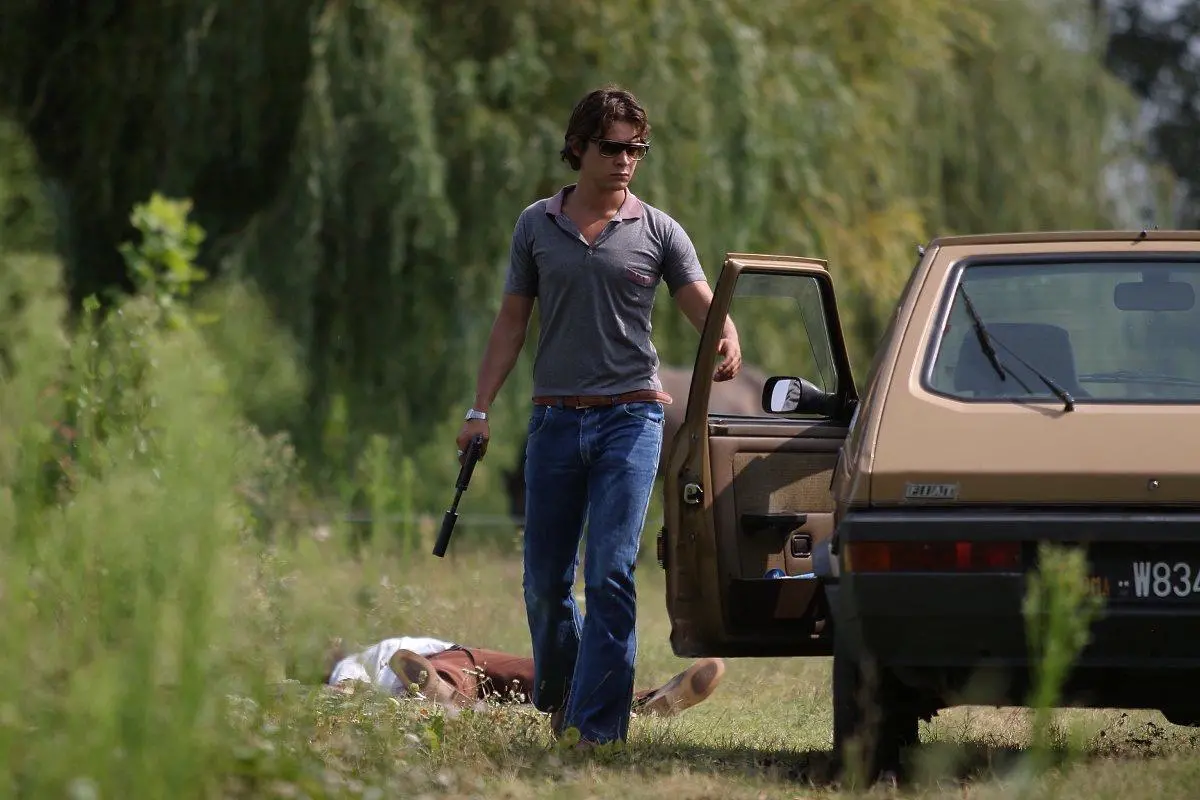
Copyright: Warner Bros
Riccardo Scamarcio
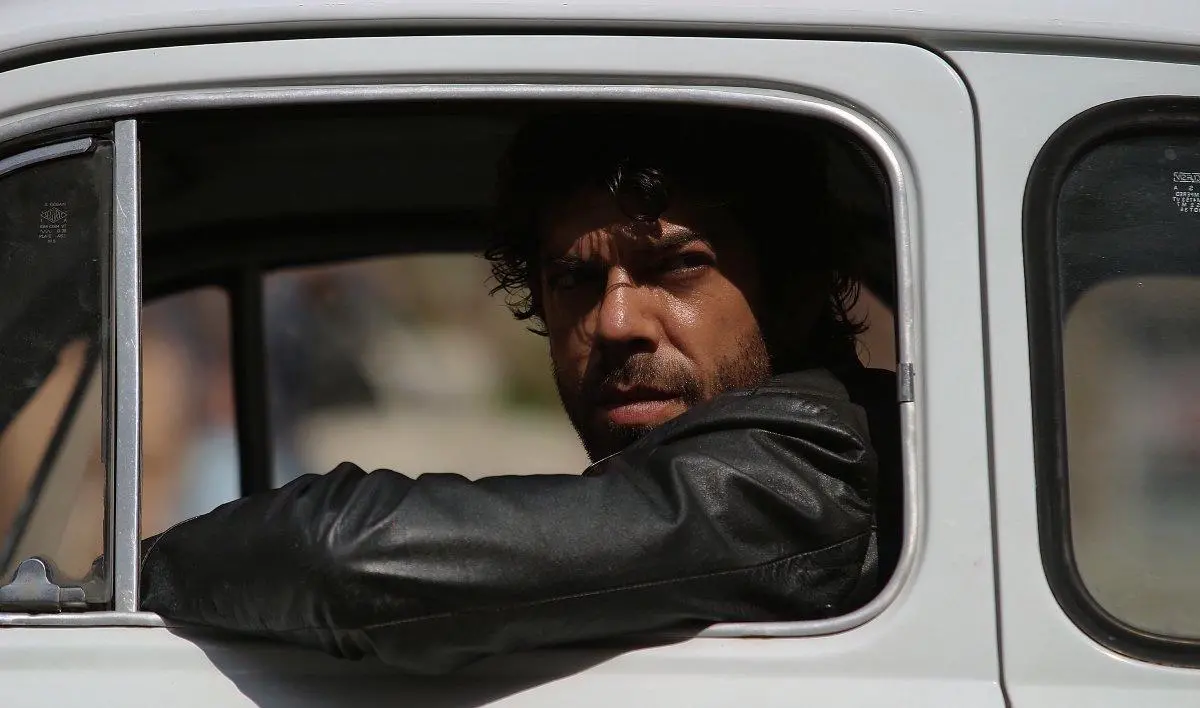
Copyright: Warner Bros
Pierfrancesco Favino
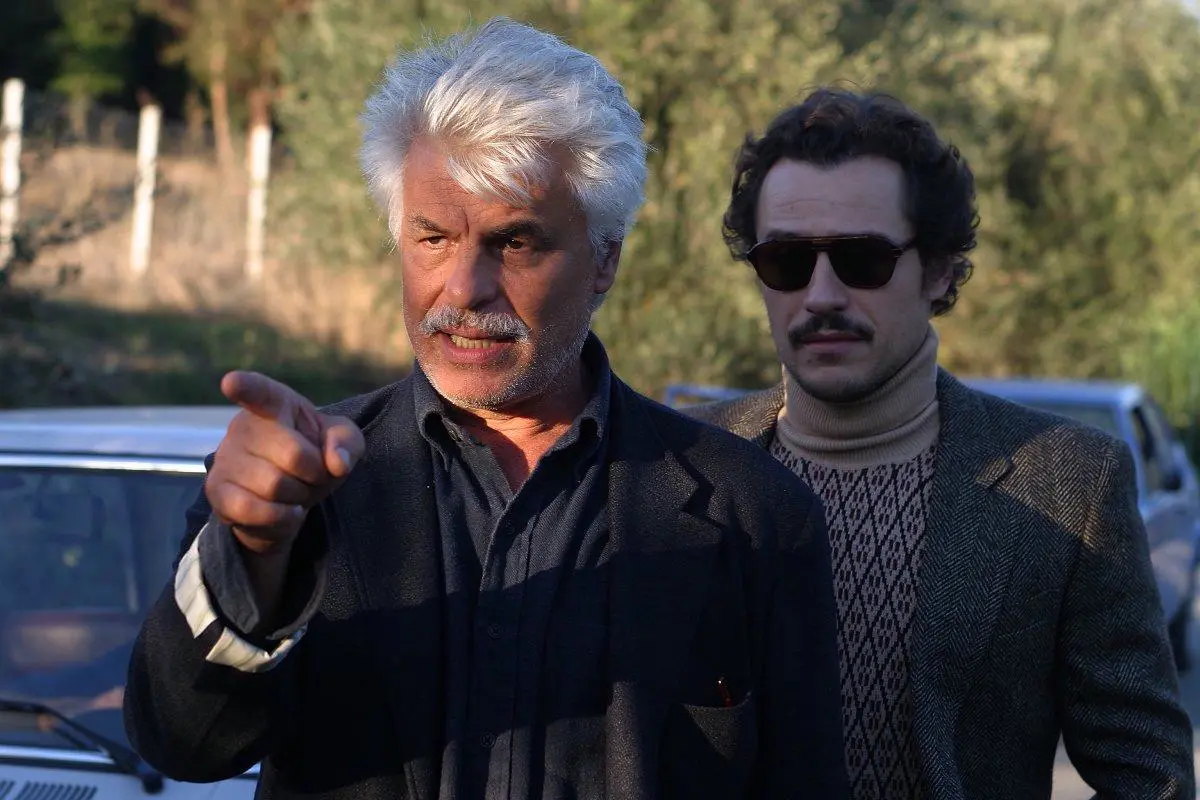
Copyright: Warner Bros
Michele Placido, Stefano Accorsi
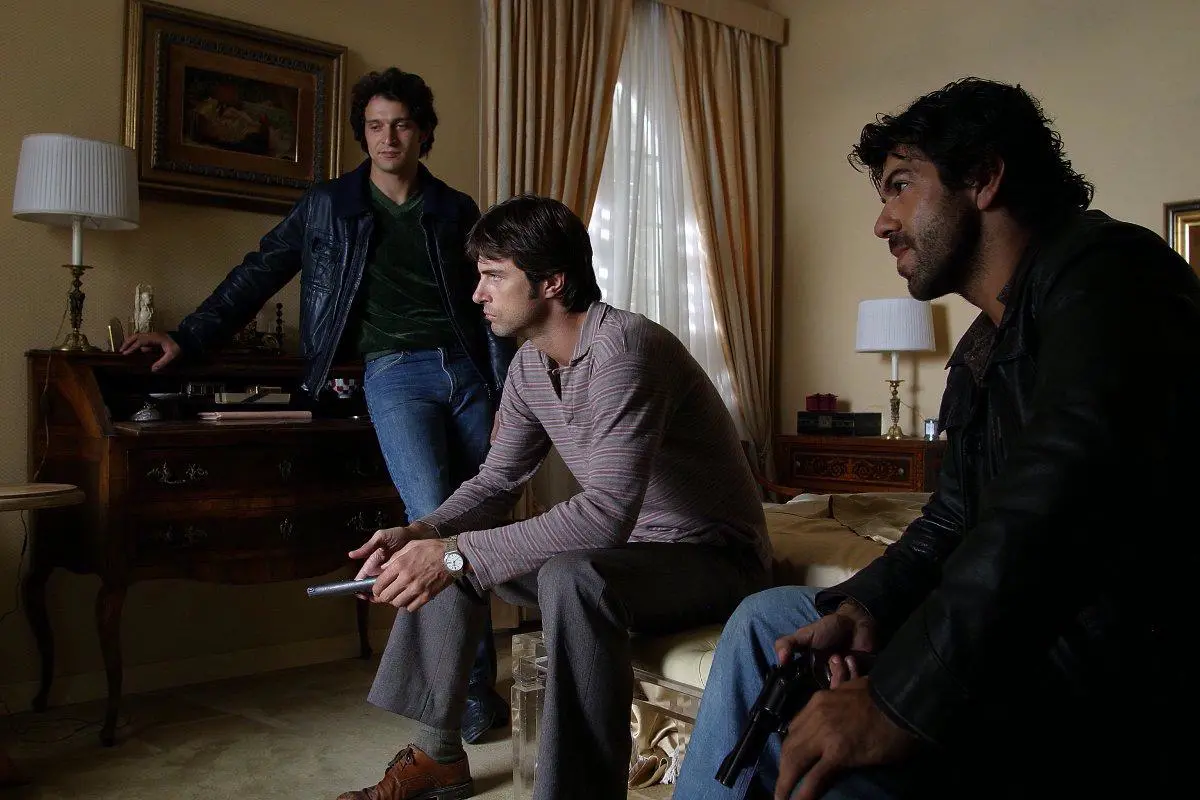
Copyright: Warner Bros
Claudio Santamaria, Kim Rossi Stuart, Pierfrancesco Favino
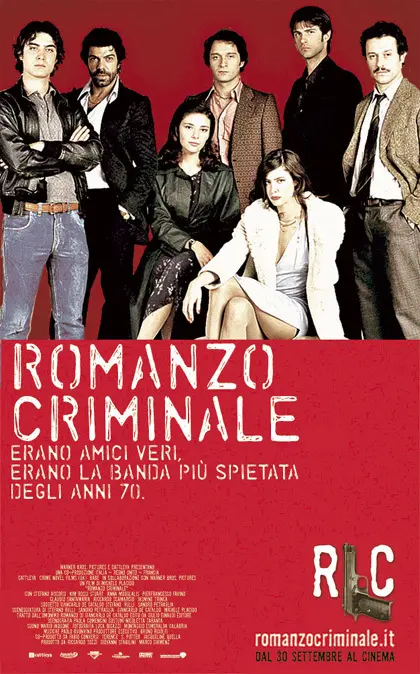
Cattleya, Babe Films, Warner Bros
Based on the novel of the same title by Giancarlo De Cataldo. The activities of the “Banda della Magliana” and its successive leaders (Libanese, Freddo, Dandi) unfold over twenty-five years, intertwining inextricably with the dark history of atrocities, terrorism and the strategy of tension in Italy, during the roaring 1980’s and the Clean Hands (Mani Pulite) era.
On platforms like TikTok, Instagram Reels, and YouTube Shorts, content creators frequently use attention-grabbing titles or text overlays to hook viewers within the first three seconds.
To help refine this analysis or adapt it for your specific platform, tell me:
For example, the evil stepmother trope has become a cultural shorthand, often used to describe someone who is perceived as cruel or manipulative. However, this trope can also perpetuate negative stereotypes and stigmatize stepmothers.
While the Grimms popularized the "wicked stepmother," it was the Walt Disney Company that cemented the image in the global consciousness, particularly for children. Disney movies aimed at children have repeatedly pushed the notion of the wicked stepmother in films like Snow White and the Seven Dwarfs (1937), Cinderella (1950), and Tangled (2010).
: Creators use this phrase to narrate personal experiences, ranging from humorous anecdotes about "evil" stepmoms to heartwarming stories about "bonus" parents. Parodic Content
The way we see stepmothers on screen has changed a lot over time. Era of Media How Stepmothers Were Shown Popular Examples Cruel, jealous, and mean women. Cinderella and Snow White. 2000s Television Dramatic villains or strict bosses. Telenovelas and soap operas. Modern Internet Real, funny, loving, and supportive. TikTok clips and YouTube skits. Why the Trend is Blowing Up Online
The portrayal of stepfamilies in entertainment content and popular media has long been a topic of interest. One figure that often takes center stage in these narratives is the madrastra, or stepmother. The madrastra's character can range from villainous to loving, influencing how audiences perceive stepfamilies. In this blog post, we'll explore how madrastros are depicted in various forms of media and the implications of these portrayals.
: In digital media, users often search for variations of this phrase when looking for relatable family content or advice on navigating stepfamily relationships. Reverso Context 3. Cultural Trope: "The Forbidden Love"
The turning point began in the late 2000s, but it exploded with the rise of prestige television and streaming services. Audiences grew tired of one-dimensional villains. They wanted psychology, backstory, and redemption.
Taps into deeply ingrained cultural narratives surrounding blended families and domestic life.
On platforms like TikTok, Instagram Reels, and YouTube Shorts, content creators frequently use attention-grabbing titles or text overlays to hook viewers within the first three seconds.
To help refine this analysis or adapt it for your specific platform, tell me:
For example, the evil stepmother trope has become a cultural shorthand, often used to describe someone who is perceived as cruel or manipulative. However, this trope can also perpetuate negative stereotypes and stigmatize stepmothers.
While the Grimms popularized the "wicked stepmother," it was the Walt Disney Company that cemented the image in the global consciousness, particularly for children. Disney movies aimed at children have repeatedly pushed the notion of the wicked stepmother in films like Snow White and the Seven Dwarfs (1937), Cinderella (1950), and Tangled (2010).
: Creators use this phrase to narrate personal experiences, ranging from humorous anecdotes about "evil" stepmoms to heartwarming stories about "bonus" parents. Parodic Content
The way we see stepmothers on screen has changed a lot over time. Era of Media How Stepmothers Were Shown Popular Examples Cruel, jealous, and mean women. Cinderella and Snow White. 2000s Television Dramatic villains or strict bosses. Telenovelas and soap operas. Modern Internet Real, funny, loving, and supportive. TikTok clips and YouTube skits. Why the Trend is Blowing Up Online
The portrayal of stepfamilies in entertainment content and popular media has long been a topic of interest. One figure that often takes center stage in these narratives is the madrastra, or stepmother. The madrastra's character can range from villainous to loving, influencing how audiences perceive stepfamilies. In this blog post, we'll explore how madrastros are depicted in various forms of media and the implications of these portrayals.
: In digital media, users often search for variations of this phrase when looking for relatable family content or advice on navigating stepfamily relationships. Reverso Context 3. Cultural Trope: "The Forbidden Love"
The turning point began in the late 2000s, but it exploded with the rise of prestige television and streaming services. Audiences grew tired of one-dimensional villains. They wanted psychology, backstory, and redemption.
Taps into deeply ingrained cultural narratives surrounding blended families and domestic life.