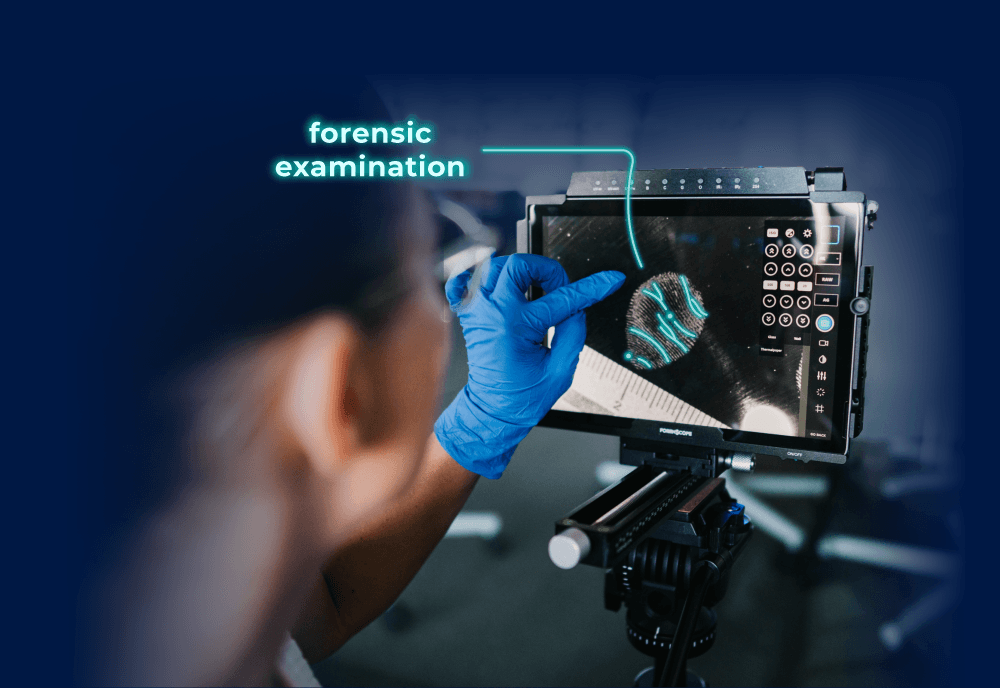
Image Capture
The first step is to capture an image of the fingerprint. This is typically done using specialized fingerprint scanners, which may utilize different technologies such as optical, capacitive, or ultrasound.
Innovatrics fingerprint recognition is trusted worldwide by governments and businesses for its speed and accuracy, and consistently a top performer in independent biometric benchmarks such as NIST.
Talk to our team
They occasionally publish excerpts or updated decrees in the Official Military Gazette (Vojni službeni list) Legal Databases: Sites like Paragraf Lex Official Gazette (Službeni glasnik) contain the codified versions of these regulations.
If you're seeking the "hottest" updates, focus on the legislative activity of 2025-2026, which has seen significant changes to the military legal framework.
The foundation for creating this rulebook is laid out in the (Law on the Serbian Armed Forces). The law explicitly states that a key responsibility is to "adopt the Service Regulation of the Serbian Armed Forces and other rules governing the internal order and relations in the performance of military service."
To better understand the document's nature, here are specific examples of what it governs, sourced from the document itself and related analyses:
Regulations for life in the barracks, guard duty, and ceremonial procedures. Symbols and Honors: How the flag, anthem, and military honors are handled. Professional Conduct:
Ministarstvo odbrane (mod.gov.rs) i Vojska Srbije (vs.rs) povremeno objavljuju informatore, preglede propisa i delove pravila službe u sekcijama namenjenim za transparentnost i saradnju sa građanima.
: Includes provisions for religious freedom and the exercise of religious rites within the military, which are further detailed by specific sub-regulations.
Pravilo službe direktno utiče na svakodnevni rad i disciplinu, a njegovo kršenje dovodi do disciplinske ili krivične odgovornosti. Gde pronaći aktuelne informacije?
Thank you!
"Pravilo" (Rule) is a higher-level bylaw issued by the President of the Republic for fundamental organizational matters. "Pravilnik" (Rulebook) is a more detailed regulation often issued by the Minister of Defense on specific technical issues.
The primary document is the , which details the basic rights, duties, and daily routines of military personnel.
Fingerprint identification is the most widely adopted biometric worldwide, with legal frameworks and standards already in place.
Massive fingerprint archives already exist in law enforcement, border agencies, and civil registries, making integration faster and more effective.
Simple and inexpensive devices can capture fingerprints instantly, in almost any environment, making it easy to deploy at scale.
Proven over decades of forensic and civil use to deliver consistent, reliable matches, even from partial or low-quality fingerprints.
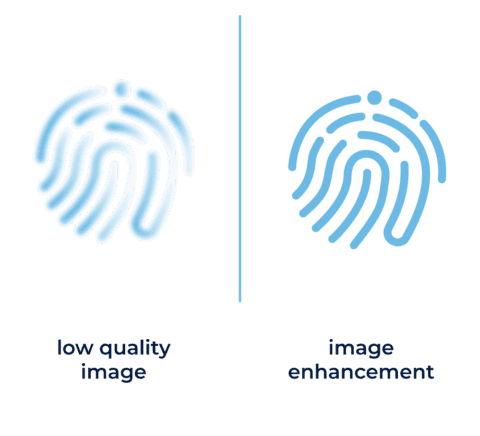
The first step is to capture an image of the fingerprint. This is typically done using specialized fingerprint scanners, which may utilize different technologies such as optical, capacitive, or ultrasound.
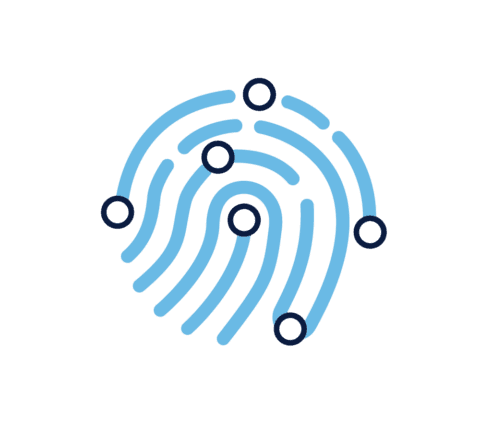
Once the fingerprint image is captured, the system extracts specific features from it. These include ridge endings, minutiae, bifurcations, and other unique characteristics of the fingerprint.
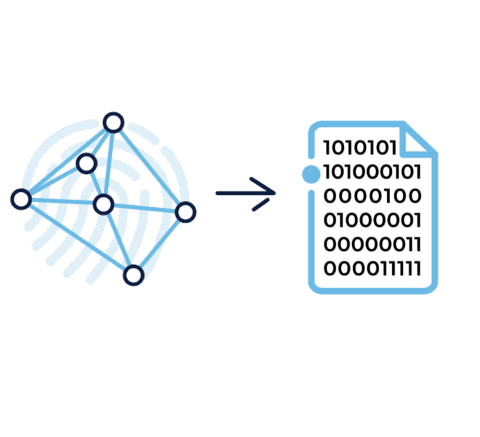
The extracted features are then used to create a digital template of the fingerprint, capturing its unique attributes and making it easier to compare with other records.
1:1 fingerprint verification is the process of confirming whether a captured fingerprint matches a single enrolled record. Instead of searching across an entire database, the system only checks if the person is who they claim to be. It requires extremely high accuracy, since even small errors can lead to false rejections or unauthorized access.
This type of verification is used every day for secure and convenient authentication. Employees can clock in at work using fingerprint readers, while civil registries rely on it to ensure a person’s claimed identity matches the records on file. It’s fast, simple, and reliable, and one of the most widely adopted biometric methods worldwide.
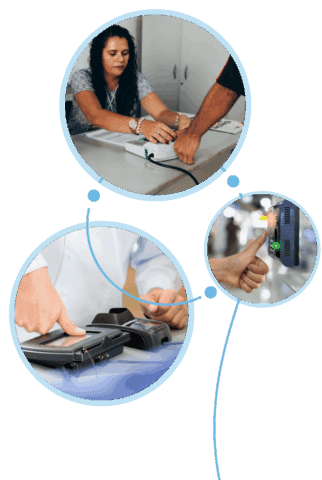
1:N fingerprint identification is the process of taking a single fingerprint sample and comparing it against a large database of stored prints to discover someone’s identity. Because the search may involve thousands or millions of records, systems need to be fast enough to deliver results instantly, and precise enough to avoid false matches.
In real-world use cases, 1:N identification is vital for law enforcement, border security, and civil ID systems. Investigators can take latent prints from a crime scene and search it against national databases to identify a suspect. Border agencies can instantly check a traveler’s fingerprints against watchlists. Civil registries use it to prevent duplicate enrollments and ensure every citizen is registered only once.
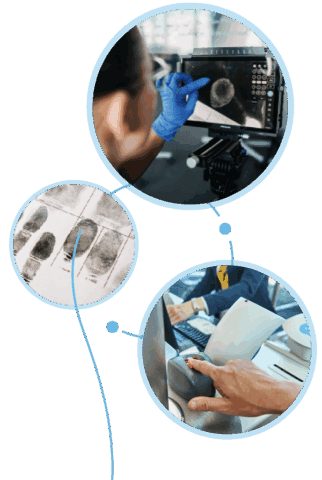
Since 2004, Innovatrics have consistently ranked among the best in the world in independent biometric benchmark evaluations and certifications.
A key benchmark for evaluating fingerprint template generation and matching. High MINEX scores demonstrate interoperability and accuracy, critical for large-scale ID systems and border control programs.
Evaluates the accuracy and speed of proprietary fingerprint matching algorithms. Strong PFT II results demonstrate top performance in native systems, essential for forensic and high-security applications.
Essential for law enforcement working with latent fingerprints, where prints are often partial or low quality. Strong ELFT performance ensures faster, more accurate suspect identification.
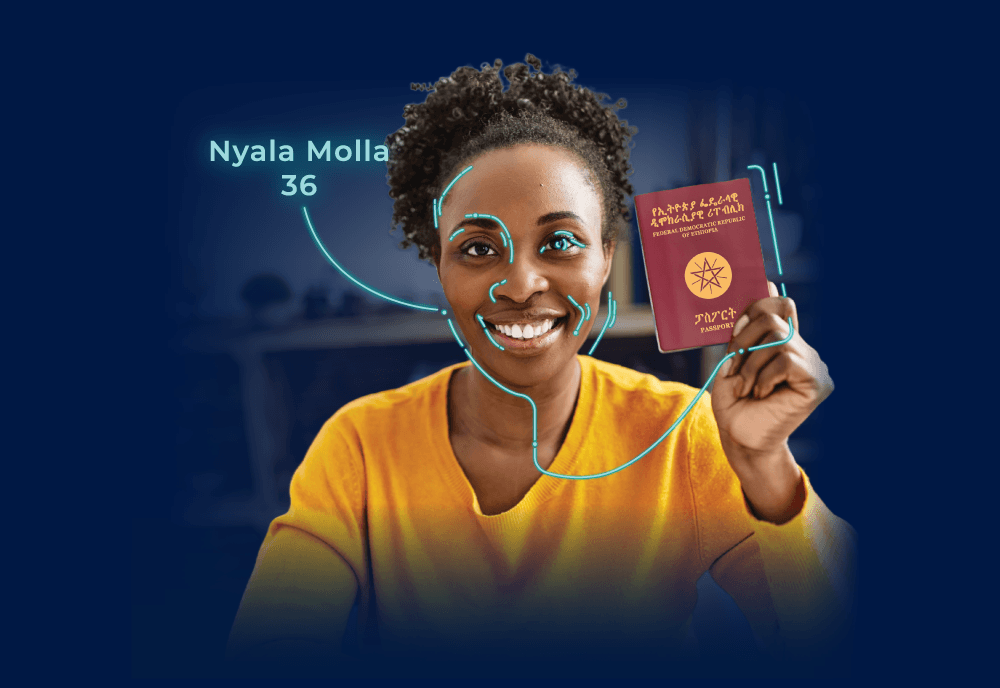
In national ID programs, fingerprint recognition makes sure every citizen has one unique and verifiable identity, building trust in government services and enabling secure digital access.
Find out how
Our passion for technology brings biometric benefits to millions of people.