App Screenshots
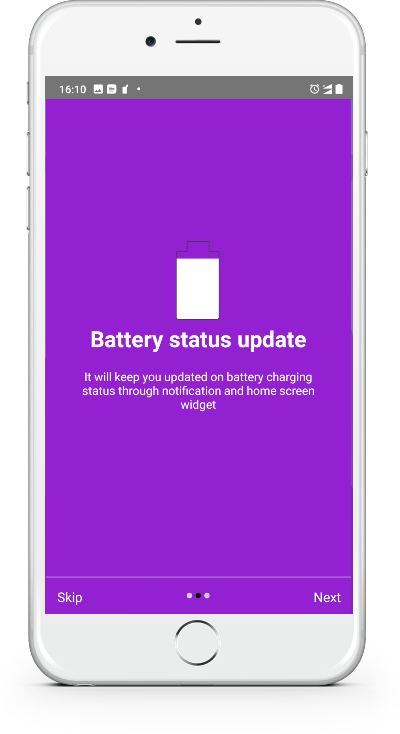
Battery 100% alarm is absolutely easy to use for any user with stunning screens and simple UI
The Holy Grail of Cinema: Unearthing the Star Wars 1977 Original Version Exclusive
To understand the "Exclusive" status of the 1977 cut, you have to trace the many faces of Star Wars across the decades. The film has been a living, breathing entity, constantly changing in George Lucas's eyes.
The Death Star explosion features fewer CGI additions, and scenes like the Krayt Dragon call and the docking bay 94 scene have distinct differences.
The official scarcity of the 1977 cut triggered an unprecedented underground preservation movement. If the studio would not provide the original film, the fans would build it themselves.
In the 1977 version, the scene featuring Jabba the Hutt in the Tatooine docking bay simply does not exist. It was added later using CGI, disrupting the pacing of the scene and replacing a human actor (the "Jabba" character in the deleted scene was an actor named Declan Mulholland).
For many, the insistence on having exclusive access to the 1977 cut goes far beyond mere nostalgia. It is an issue of historical preservation and artistic integrity. 1. An Award-Winning Masterpiece of Practical Craft
: Rare original copies containing behind-the-scenes articles and exclusive photos are currently valued around . Special Edition Comic (1977)
To the modern viewer, Star Wars is a sprawling multimedia franchise. In 1977, it was an independent, high-risk space fantasy stitched together with practical effects, groundbreaking models, and raw editorial genius. The theatrical release won seven Academy Awards, including Best Film Editing, Best Original Score, and Best Visual Effects.
"The disappearance of the original negative is arguably the greatest act of cinematic vandalism in modern history," says Mike Verta, a composer and visual effects artist who has become a central figure in the preservation movement. "If you went to the Louvre and found out they had painted over the Mona Lisa with a high-resolution digital print because the artist preferred the way it looked, there would be riots."
In 1977, the camera tracks a landspeeder into a relatively quiet, sinister desert outpost. The modern version fills the screen with giant CGI beasts (Rontos) and floating droids that block the frame.
This is the first official theatrical run of the original print since the early 1980s. 📺 How to Watch in 2026
In 1997, George Lucas released the Star Wars Special Editions . This marked the beginning of a systematic effort to replace the original theatrical cuts. Lucas famously stated that the Special Editions represented his true vision, which was limited by 1977 technology and budget constraints.
Watch the trailer for detail understaning of the app features
Battery 100% alarm is absolutely easy to use for any user with stunning screens and simple UI















The Holy Grail of Cinema: Unearthing the Star Wars 1977 Original Version Exclusive
To understand the "Exclusive" status of the 1977 cut, you have to trace the many faces of Star Wars across the decades. The film has been a living, breathing entity, constantly changing in George Lucas's eyes.
The Death Star explosion features fewer CGI additions, and scenes like the Krayt Dragon call and the docking bay 94 scene have distinct differences.
The official scarcity of the 1977 cut triggered an unprecedented underground preservation movement. If the studio would not provide the original film, the fans would build it themselves. star wars 1977 original version exclusive
In the 1977 version, the scene featuring Jabba the Hutt in the Tatooine docking bay simply does not exist. It was added later using CGI, disrupting the pacing of the scene and replacing a human actor (the "Jabba" character in the deleted scene was an actor named Declan Mulholland).
For many, the insistence on having exclusive access to the 1977 cut goes far beyond mere nostalgia. It is an issue of historical preservation and artistic integrity. 1. An Award-Winning Masterpiece of Practical Craft
: Rare original copies containing behind-the-scenes articles and exclusive photos are currently valued around . Special Edition Comic (1977) The Holy Grail of Cinema: Unearthing the Star
To the modern viewer, Star Wars is a sprawling multimedia franchise. In 1977, it was an independent, high-risk space fantasy stitched together with practical effects, groundbreaking models, and raw editorial genius. The theatrical release won seven Academy Awards, including Best Film Editing, Best Original Score, and Best Visual Effects.
"The disappearance of the original negative is arguably the greatest act of cinematic vandalism in modern history," says Mike Verta, a composer and visual effects artist who has become a central figure in the preservation movement. "If you went to the Louvre and found out they had painted over the Mona Lisa with a high-resolution digital print because the artist preferred the way it looked, there would be riots."
In 1977, the camera tracks a landspeeder into a relatively quiet, sinister desert outpost. The modern version fills the screen with giant CGI beasts (Rontos) and floating droids that block the frame. The official scarcity of the 1977 cut triggered
This is the first official theatrical run of the original print since the early 1980s. 📺 How to Watch in 2026
In 1997, George Lucas released the Star Wars Special Editions . This marked the beginning of a systematic effort to replace the original theatrical cuts. Lucas famously stated that the Special Editions represented his true vision, which was limited by 1977 technology and budget constraints.