Always explicitly declare truncation when passing data tokens from your extracted set into the model:

A highly optimized transformer model built by Meta AI that modifies key hyperparameters in BERT, such as training with larger mini-batches and removing the Next Sentence Prediction (NSP) objective.

Check if the "136" refers to a specific feature count or a version index.

This renames the archive’s internal headers—sometimes bypassing the block 136 corruption.

If "sets" refers to the training/validation data splits mapped to WALS language features, a mismatch in feature dimensions can occur. If the dataset splits inside the archive do not match the expected input dimensions of your sequence classification head, RoBERTa will throw a runtime matrix multiplication error. Step-by-Step Implementation Guide to Fix the Issue

: WALS data contains unique linguistic symbols that break standard UTF-8/ASCII zip headers. Step-by-Step Resolution Workflow

Don't let a broken ZIP derail your hobby. With the right approach, you'll have those files extracted and your "Roberta Wals" models ready for assembly in no time.

from transformers import RobertaTokenizerFast # Load standard fast tokenizer with adjusted edge handlers tokenizer = RobertaTokenizerFast.from_pretrained("roberta-base", add_prefix_space=True) Use code with caution. Performance Comparison Matrix

If your pipeline crashes while unzipping file 136.zip , the underlying file may be cut off due to an incomplete download or a broken pipeline stream. Python's standard zipfile module will throw a BadZipFile: File is not a zip file or Truncated zip file error. 2. Character Encoding and Byte-Pair Mismatch

To help tailor these steps further, could you share (e.g., PyTorch, TensorFlow) your pipeline is built on, and copy the exact error message text you are receiving? Share public link
Get effective EdTech strategies from Alice Keeler to build a more student centered classroom. Includes unique resources and templates.

Recent Teacher Tech Blog Posts

Wals Roberta Sets 136zip Fix -

Always explicitly declare truncation when passing data tokens from your extracted set into the model:

A highly optimized transformer model built by Meta AI that modifies key hyperparameters in BERT, such as training with larger mini-batches and removing the Next Sentence Prediction (NSP) objective.

Check if the "136" refers to a specific feature count or a version index. wals roberta sets 136zip fix

This renames the archive’s internal headers—sometimes bypassing the block 136 corruption.

If "sets" refers to the training/validation data splits mapped to WALS language features, a mismatch in feature dimensions can occur. If the dataset splits inside the archive do not match the expected input dimensions of your sequence classification head, RoBERTa will throw a runtime matrix multiplication error. Step-by-Step Implementation Guide to Fix the Issue If "sets" refers to the training/validation data splits

: WALS data contains unique linguistic symbols that break standard UTF-8/ASCII zip headers. Step-by-Step Resolution Workflow

Don't let a broken ZIP derail your hobby. With the right approach, you'll have those files extracted and your "Roberta Wals" models ready for assembly in no time. Step-by-Step Resolution Workflow Don't let a broken ZIP

from transformers import RobertaTokenizerFast # Load standard fast tokenizer with adjusted edge handlers tokenizer = RobertaTokenizerFast.from_pretrained("roberta-base", add_prefix_space=True) Use code with caution. Performance Comparison Matrix

If your pipeline crashes while unzipping file 136.zip , the underlying file may be cut off due to an incomplete download or a broken pipeline stream. Python's standard zipfile module will throw a BadZipFile: File is not a zip file or Truncated zip file error. 2. Character Encoding and Byte-Pair Mismatch

To help tailor these steps further, could you share (e.g., PyTorch, TensorFlow) your pipeline is built on, and copy the exact error message text you are receiving? Share public link
💥 FREE OTIS WORKSHOP

Join Alice Keeler, Thursday April 28th or register to gain access to the recording.
Create a free OTIS account.

Join Alice Keeler for this session for teaching with AI

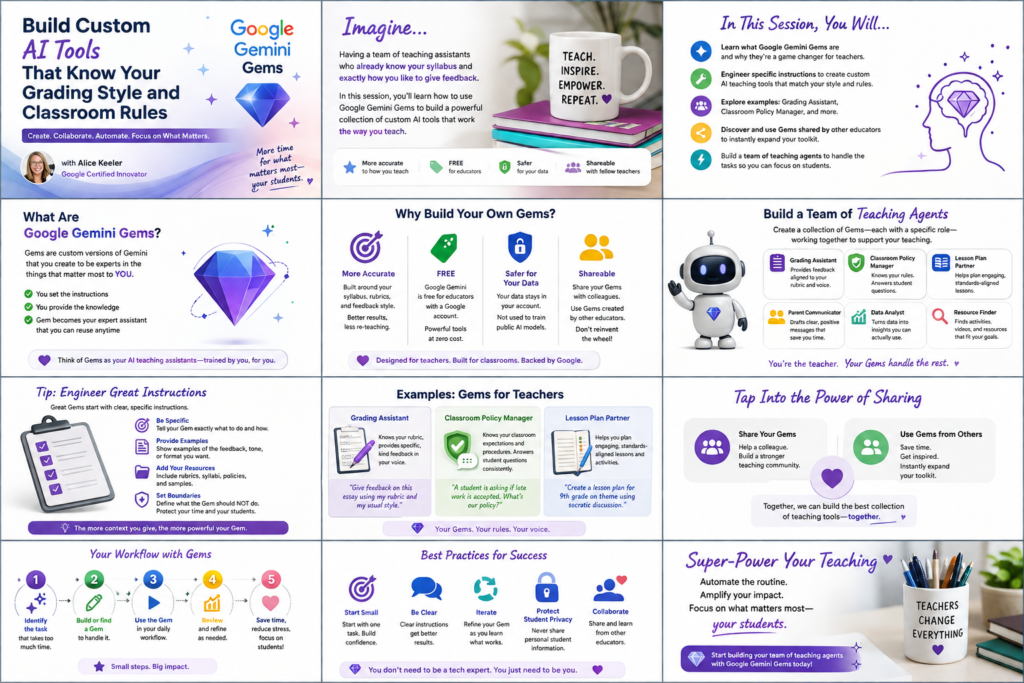
Imagine having a team of teaching assistants who already know your syllabus and exactly how you like to give feedback. Join Google Certified Innovator Alice Keeler to learn how to use Google Gems to build a powerful collection of custom AI tools. We will explore how to engineer specific instructions so you can create a Grading Assistant or a Classroom Policy Manager that works for you. You will also learn how to leverage Gems shared by other educators to instantly expand your toolkit. This session is about super-powering your teaching by automating the routine tasks so you can focus on the students.

Exit this pop up by pressing escape or clicking anywhere off the pop up.