








The keyword "entertainment content and popular media" is more than an SEO target. It is the story of how 8 billion humans now spend their waking hours. The question is not whether we will consume it—we have no choice. The question is whether we will consume it intentionally, critically, and with our eyes wide open.
The line between "content" (the work itself) and "media" (the platform) has blurred as social media apps like TikTok and Instagram become primary entertainment hubs.
On one hand, a single series produced in South Korea or Spain can instantly top streaming charts in dozens of countries, fostering a shared global vocabulary. On the other hand, the sheer volume of available content means the era of the "monoculture"—where tens of millions of people watch the exact same broadcast at the same time—is fading. Audiences split into thousands of niche subcultures, each consuming entirely different media. Future Outlook: AI and Beyond
Algorithmic curation often reinforces pre-existing biases. By continuously serving content that aligns with a user's current views, platforms can inadvertently create ideological echo chambers, accelerating societal polarization.
Why do we spend an average of 7+ hours a day consuming media? The answer lies in the neurological hook that modern has perfected.
: In the U.S., total daily media consumption is expected to exceed 13 hours and 40 minutes per consumer. 2. The Dominance of Streaming and Digital Video
The first crack in this monopoly appeared with cable television in the 1980s. MTV, CNN, and HBO proved that audiences craved specialization. Then came the internet. Napster, YouTube (founded 2005), and Netflix’s pivot to streaming (2007) shattered the old gatekeepers. Suddenly, anyone with a camera and a connection could produce entertainment content. Popular media became democratized, chaotic, and global.














iTranslate enables travelers, students, business professionals, employers and medical staff to read, write and speak in over 100 languages, anywhere in the world.
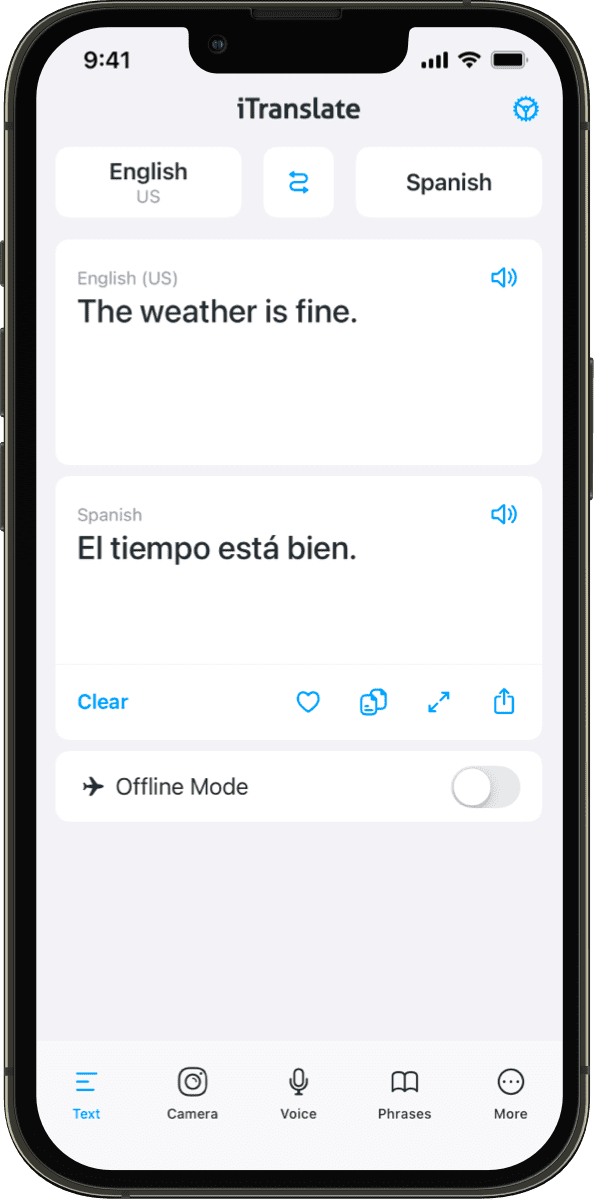
With autocomplete and alternative translations our text mode delivers a state-of-the-art experience in more than 100 languages.
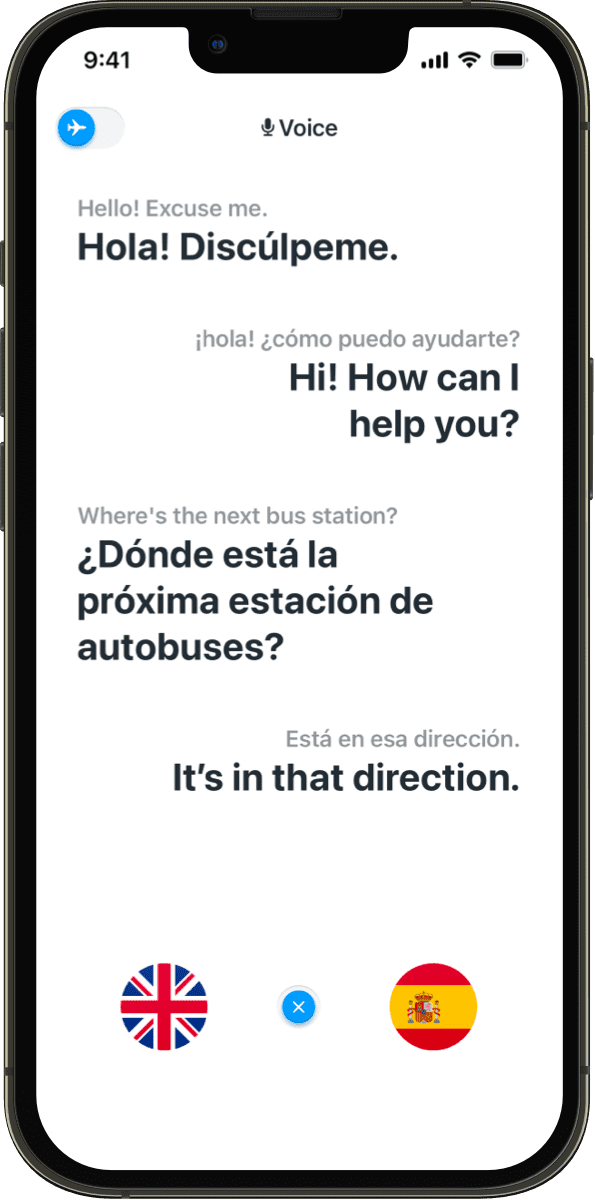
Just start speaking and iTranslate recognizes your voice and translates to your desired language.
Now available offline in 4 languages!


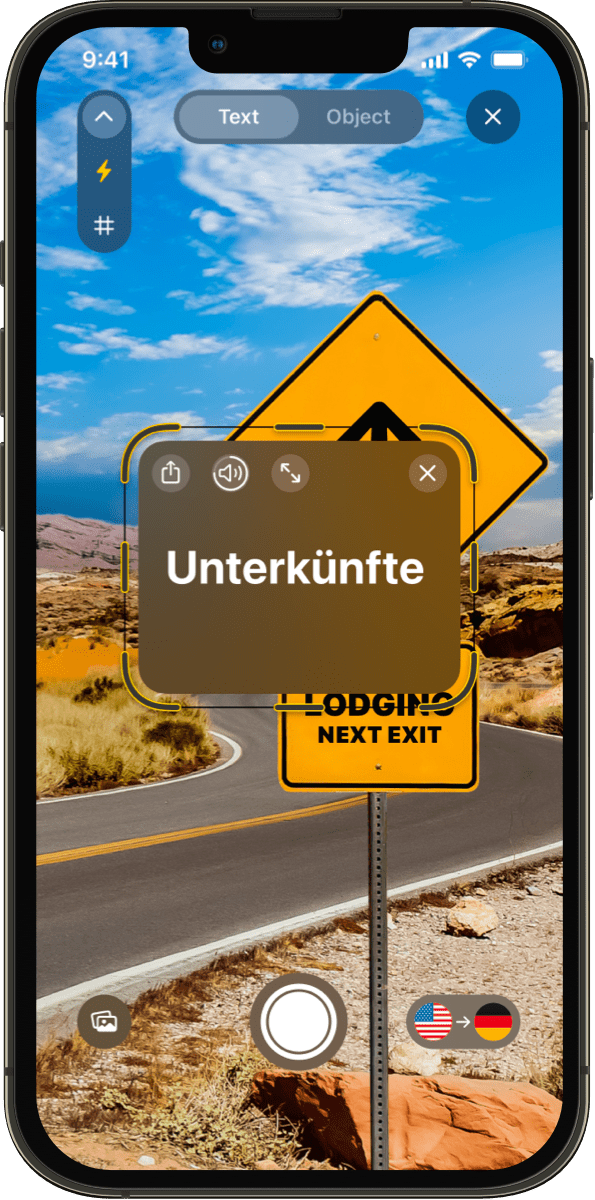


With your phone’s camera you can instantly translate menus, cards, signs or most anything else you come across.
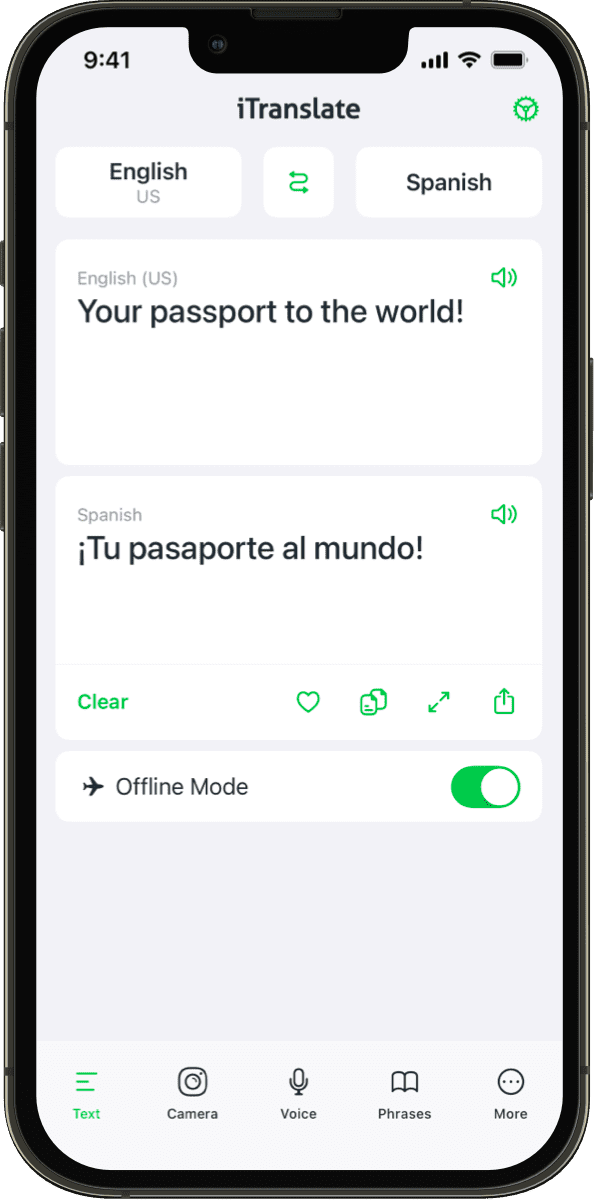
Translate offline in many popular languages – without an internet connection! Let us help you avoid roaming costs!


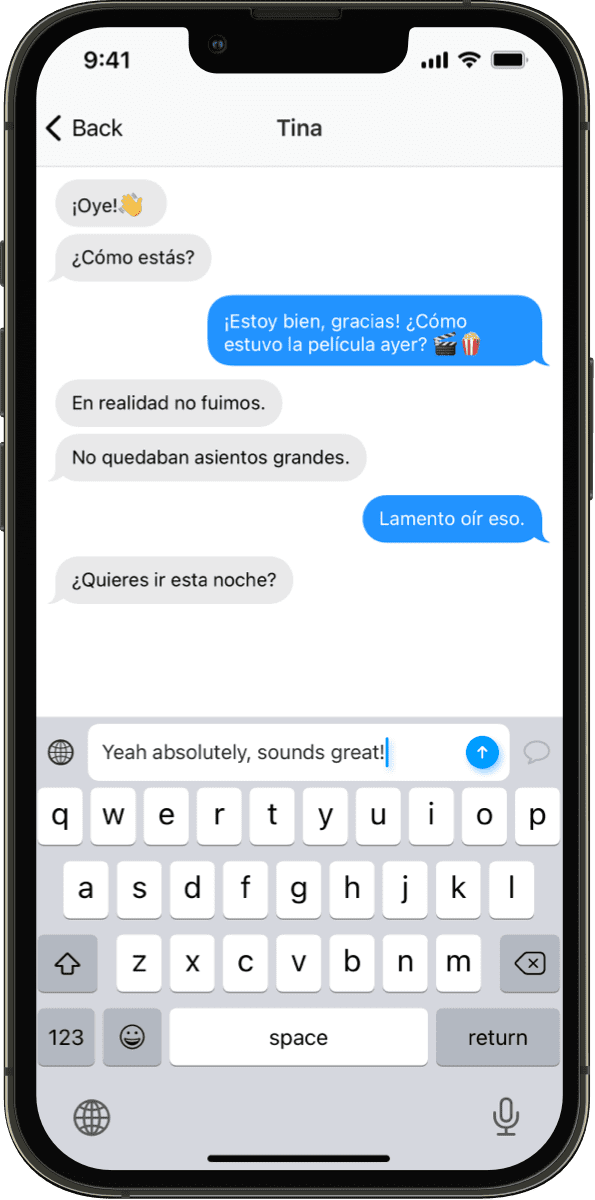


Get instant translations right in your favorite messaging app. With iTranslate’s keyboard extension you can stay in touch with friends all over the world.

For us here at iTranslate privacy is one of our most important core values. Every product we develop and ship to you, our customer, is designed to keep your data safe. In a world of increasing complexity we firmly believe your data is yours and yours alone. We take our responsibility and your faith to protect this very seriously.
Privacy Policy
The keyword "entertainment content and popular media" is more than an SEO target. It is the story of how 8 billion humans now spend their waking hours. The question is not whether we will consume it—we have no choice. The question is whether we will consume it intentionally, critically, and with our eyes wide open.
The line between "content" (the work itself) and "media" (the platform) has blurred as social media apps like TikTok and Instagram become primary entertainment hubs.
On one hand, a single series produced in South Korea or Spain can instantly top streaming charts in dozens of countries, fostering a shared global vocabulary. On the other hand, the sheer volume of available content means the era of the "monoculture"—where tens of millions of people watch the exact same broadcast at the same time—is fading. Audiences split into thousands of niche subcultures, each consuming entirely different media. Future Outlook: AI and Beyond
Algorithmic curation often reinforces pre-existing biases. By continuously serving content that aligns with a user's current views, platforms can inadvertently create ideological echo chambers, accelerating societal polarization.
Why do we spend an average of 7+ hours a day consuming media? The answer lies in the neurological hook that modern has perfected.
: In the U.S., total daily media consumption is expected to exceed 13 hours and 40 minutes per consumer. 2. The Dominance of Streaming and Digital Video
The first crack in this monopoly appeared with cable television in the 1980s. MTV, CNN, and HBO proved that audiences craved specialization. Then came the internet. Napster, YouTube (founded 2005), and Netflix’s pivot to streaming (2007) shattered the old gatekeepers. Suddenly, anyone with a camera and a connection could produce entertainment content. Popular media became democratized, chaotic, and global.
iTranslate allows you to translate text, websites and start voice conversations. You can also lookup words, their meanings and conjugate verbs.
It's all that and more — in over 100 languages.
See a full list
No matter what device you’re on – we’ve got you covered! iTranslate is your perfect travel companion and is available on a large variety of platforms and devices.


